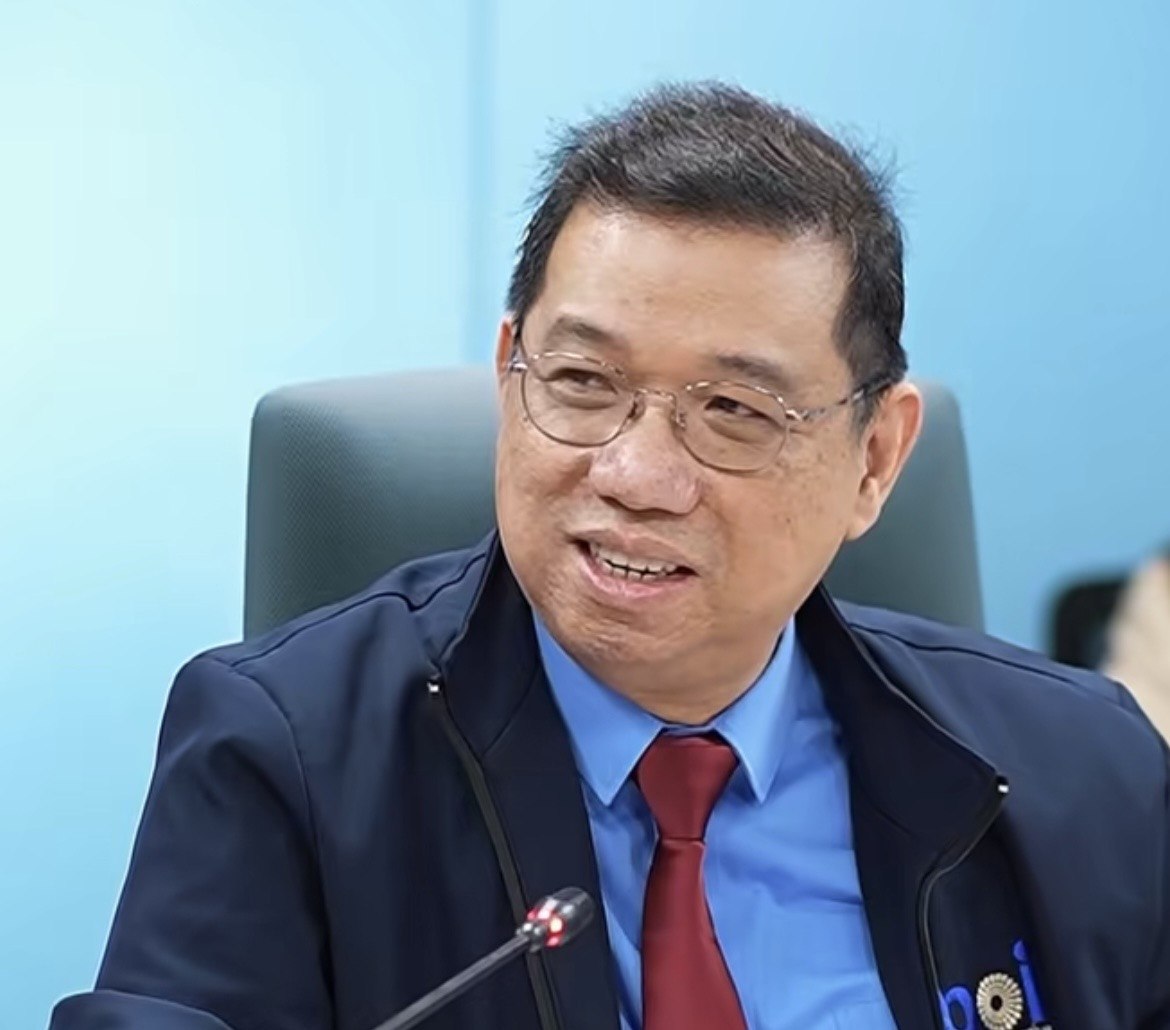
The Board of Investments (BOI) remains confident of meeting its P1-trillion investment approvals target this year, but is shifting greater attention to the policy environment and industrial planning needed to sustain project inflows beyond its own investment pipeline.
“The expectation is that we will hit, and we are working to exceed it,” BOI Managing Head Ceferino Rodolfo said, pointing to renewable energy projects still in the pipeline.
The shift in priorities does not mean the agency is retreating from investment promotion. Rather, Rodolfo said BOI is placing greater emphasis on helping other investment promotion agencies attract projects and creating conditions that make the Philippines more competitive as an investment destination.
“Our focus now is providing the enabling environment for investments to come in, even into the other investment promotion agencies,” he said.
He said the agency’s performance should not be measured solely by the value of investments it approves, but also by its role in strengthening the broader investment ecosystem.
This includes providing long-term industrial direction through the Strategic Investment Priority Plan and helping align investment promotion efforts across agencies.
BOI is also placing greater weight on what Rodolfo described as “transformative” investments, or projects with the potential to reshape strategic industries and address structural economic constraints, including the country’s energy supply.
These projects are intended to support longer-term economic development rather than simply generate short-term gains in quarterly gross domestic product, he said.
Rodolfo declined to give an investment approvals target for 2027, but did not suggest that the next year’s goal would necessarily be lower.
On projects endorsed for green lane treatment, he acknowledged that some have yet to advance as they await specific milestones.
For the remainder of this year, however, he expressed confidence that pending projects, particularly in renewable energy, would allow BOI to meet and potentially exceed its P1-trillion goal.