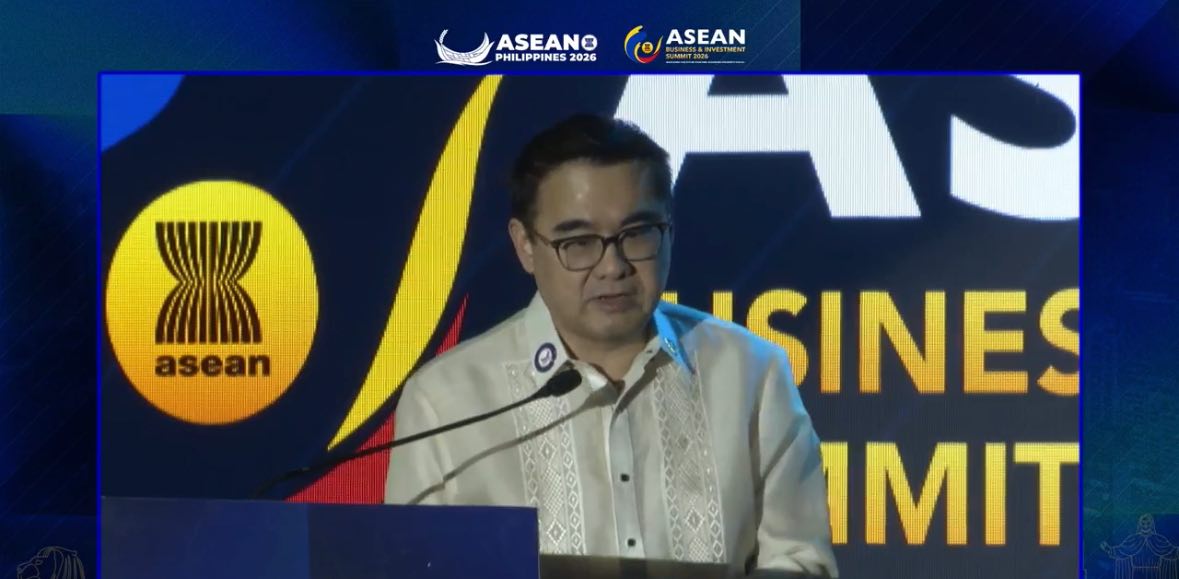
The Philippines and its ASEAN neighbors are seeking a bigger stake in the global artificial intelligence boom by coordinating semiconductor investments and strengthening regional supply chains, Finance Secretary Frederick Go said, as the bloc moves to capture more value from surging chip demand.
Go said the ASEAN Semiconductor Roadmap was finalized on November 14 and would soon be circulated to member states, providing a framework for countries to develop complementary capabilities rather than compete for investments in isolation.
“It lets each of our nations build our part of the value chain, so that more of the gains stay in ASEAN,” Go said in prepared remarks at the ASEAN Business and Investment Summit’s AI Summit on November 15.
The initiative comes as the Philippines rides a surge in electronics exports but faces the challenge of translating strong demand into higher-value manufacturing, technology capabilities and more domestic economic activity.
Electronics accounted for 70 percent of Philippine exports in September, when total shipments jumped 36 percent to their highest monthly value since records began in 1991. Export growth reached 17 percent in the first nine months of 2026, Go said.
“Electronics are the Philippines’ largest export, and chips are the physical foundation of every AI model on earth,” he said.
But a strong export performance does not automatically mean the country captures a bigger share of the value generated by the semiconductor industry. Go said ASEAN economies must coordinate their investments and develop complementary roles across the supply chain to benefit from rising AI demand.
The Philippines is positioning the Luzon Economic Corridor as a platform for advanced manufacturing, digital infrastructure and more resilient supply chains, supported by investments in energy, transportation and logistics.
Go cautioned, however, that investment ambitions must be matched by reliable clean power, predictable regulations and fiscal discipline.
For ASEAN, integration is also a way to attract investments in infrastructure and technology that individual economies may struggle to finance on their own.
“We can only do that as one integrated market, with common rules, connected payments and connected power,” Go said.
The ultimate test for the roadmap will be whether it generates actual investments, upgrades local industries and allows ASEAN economies to move beyond supplying components toward capturing more of the value created by the AI revolution.