More Filipinos could end up over-indebted as low entry requirements and growing demand for small, short-term loans fuel the expansion of online lending platforms, Home Credit Philippines warned.
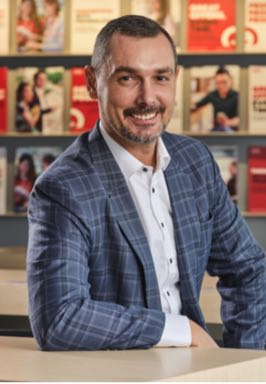
Zdenek Jankovsky, the company’s chief business development officer, called for tighter industry monitoring following the Securities and Exchange Commission’s (SEC) reopening of online lending platform registrations on August 1.
Under the new SEC rules, lending companies need only P10 million in paid-up capital to operate one online lending platform, while financing companies require P20 million. These thresholds are generally lower than those in other ASEAN markets, potentially attracting more players to the Philippines.
Speaking at the presentation of a credit market report by CIBI on Tuesday, Jankovsky said increased competition could widen access to formal credit but also make it easier for consumers to accumulate debts beyond their capacity to repay.
“Too easy can become too much,” he said, warning that multiple small loans from different providers could quickly add up to an unmanageable repayment burden.
The risk is compounded by gaps in credit bureau data. Borrower income is rarely captured, while unlicensed online lenders operate outside formal reporting systems, leaving lenders with an incomplete picture of customers’ outstanding obligations.
Jankovsky acknowledged that digital lending has brought millions of Filipinos into the formal credit system, offering an alternative to informal “5-6” lenders and helping borrowers build credit histories that could eventually qualify them for larger loans at lower rates.
But he stressed that wider access must go hand in hand with responsible lending.
He urged lenders to assess repayment capacity, tailor loan amounts and terms to borrowers’ financial circumstances, report complete information to credit bureaus and intervene early when customers show signs of financial distress.
He also called for common responsible lending standards and coordinated regulatory action against illegal lenders, saying the industry’s expansion must be matched by safeguards against excessive borrowing.