China’s Mingyang Smart Energy Group is exploring a 600-megawatt offshore wind project off Cauayan, Negros Occidental, alongside a proposed USD3.5-million operations and maintenance center in the Philippines, as it expands its renewable energy footprint in the country.
The Department of Trade and Industry (DTI) said the Department of Energy issued a certificate of authority for the proposed Cauayan project on Nov. 6. Mingyang plans to deploy floating wind turbines and pursue power purchase agreements under the government’s Green Energy Auction Program for offshore wind.
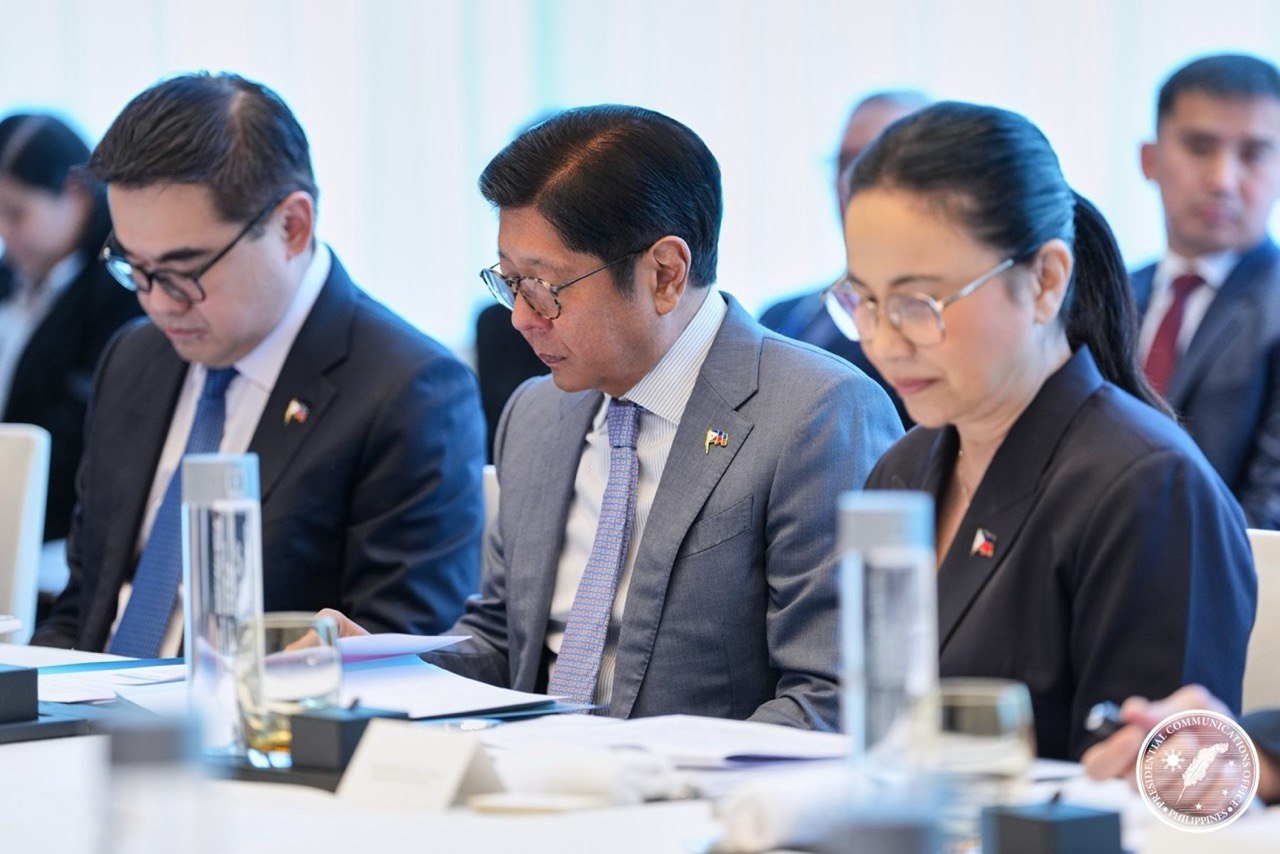
The investment plans were discussed when Mingyang founder, chairman, and CEO Zhang Chuanwei Group met President Ferdinand Marcos Jr. and Philippine officials in Shenzhen on Nov. 20, on the sidelines of the Asia-Pacific Economic Cooperation meetings. Trade Secretary Cristina Roque and Finance Secretary Frederick Go joined the discussions.
The proposed operations and maintenance center would support the company’s planned onshore and offshore wind projects while developing local technical capabilities. The DTI said the facility could train Filipino technicians and create business opportunities for domestic suppliers of components, maintenance, and related services.
Mingyang is also evaluating sites identified by the Philippine Ports Authority for potential manufacturing and offshore wind operations, including turbine assembly and towing facilities.
Through the Board of Investments, the DTI is coordinating with relevant government agencies on investment registration, port requirements, and permitting.
Roque said the agency would help translate the proposed investments into technology transfer, skilled employment, and contracts for Philippine suppliers.
Mingyang entered the Philippine market in 2023 through a 306-MW turbine supply contract with Vena Energy for its Talim and Sembrano wind projects in Rizal.
In November 2025, it also signed a memorandum of understanding with PetroGreen Energy Corp. to study the feasibility of a separate 2-gigawatt offshore wind project in Ilocos Norte.
The proposed Cauayan development would add to the country’s emerging offshore wind pipeline, although its eventual implementation will depend on project development, financing, permitting, and securing power offtake agreements.
Beyond the generating capacity, the proposed maintenance center and port-related investments could help establish a local supply chain for an industry that will require specialized equipment, technical skills, and long-term servicing capabilities.