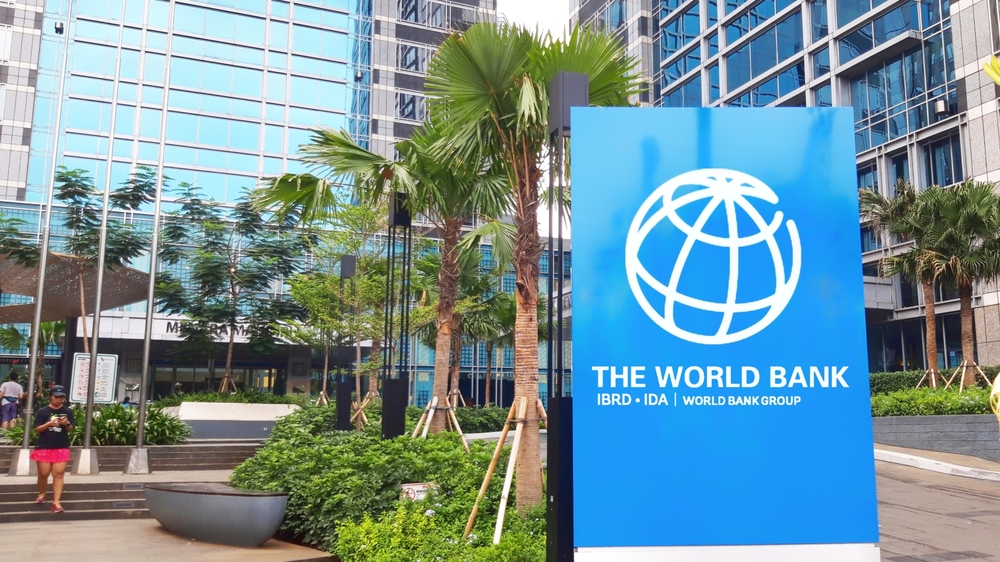
The Philippines, with support from the World Bank and the United Kingdom, has launched a $1-billion agriculture transformation program aimed at modernizing farming, improving food security, and helping farmers adapt to climate change.
Called the Philippine Sustainable Agriculture Transformation (PSAT) program, the initiative will focus on increasing rice production, improving agricultural supply chains, and strengthening government systems in the farm sector.
The project is significant because it is the country’s first World Bank Program-for-Results (PforR) initiative, meaning funding will only be released when specific targets and measurable results are achieved. Officials say this approach promotes accountability and ensures that public funds lead to real improvements.
Agriculture Secretary Francisco Tiu Laurel Jr. said the program will help raise farm productivity, stabilize food supplies, and protect millions of livelihoods that depend on agriculture.
The government expects an initial $300 million funding release in 2026. The program is also supported by a $24.5-million technical assistance grant, including $14.5 million from the UK, to help strengthen farmer training, climate resilience, and agricultural services.
World Bank officials said the initiative could benefit at least five million farmers by increasing incomes, diversifying livelihoods, and building a more resilient food system.
British Ambassador Sarah Hulton said transforming agriculture is now a “strategic necessity” as farmers face stronger typhoons, floods, and supply chain disruptions linked to climate change.
Officials described PSAT as a potential model for future results-based financing programs in the Philippines.