Philippine headline inflation eased to 6.8 percent in May from 7.2 percent in April, coming in below the Bangko Sentral ng Pilipinas’ (BSP) projected range of 7.1 percent to 7.9 percent as transport costs and food price increases moderated, according to data released Friday by the Philippine Statistics Authority (PSA).
The latest reading brought average inflation for the first five months of 2026 to 4.5 percent, although it remained significantly higher than the 1.3 percent recorded in May last year.
The slowdown was primarily driven by transport inflation, which decelerated to 16.2 percent from 21.4 percent a month earlier. Price increases also eased for food and non-alcoholic beverages at 5.7 percent from 6.0 percent, and for housing, water, electricity, gas and other fuels at 7.8 percent from 8.2 percent.
Despite the softer headline figure, underlying price pressures showed little sign of easing. Core inflation, which excludes selected food and energy items, accelerated to 4.1 percent in May from 3.9 percent in April.
The rise in core inflation suggests that price pressures are becoming more broad-based beyond volatile commodity categories. For the BSP, this could argue for maintaining a cautious policy stance, as easing inflation in transport and food may not yet be sufficient to ensure a sustained slowdown in overall prices.
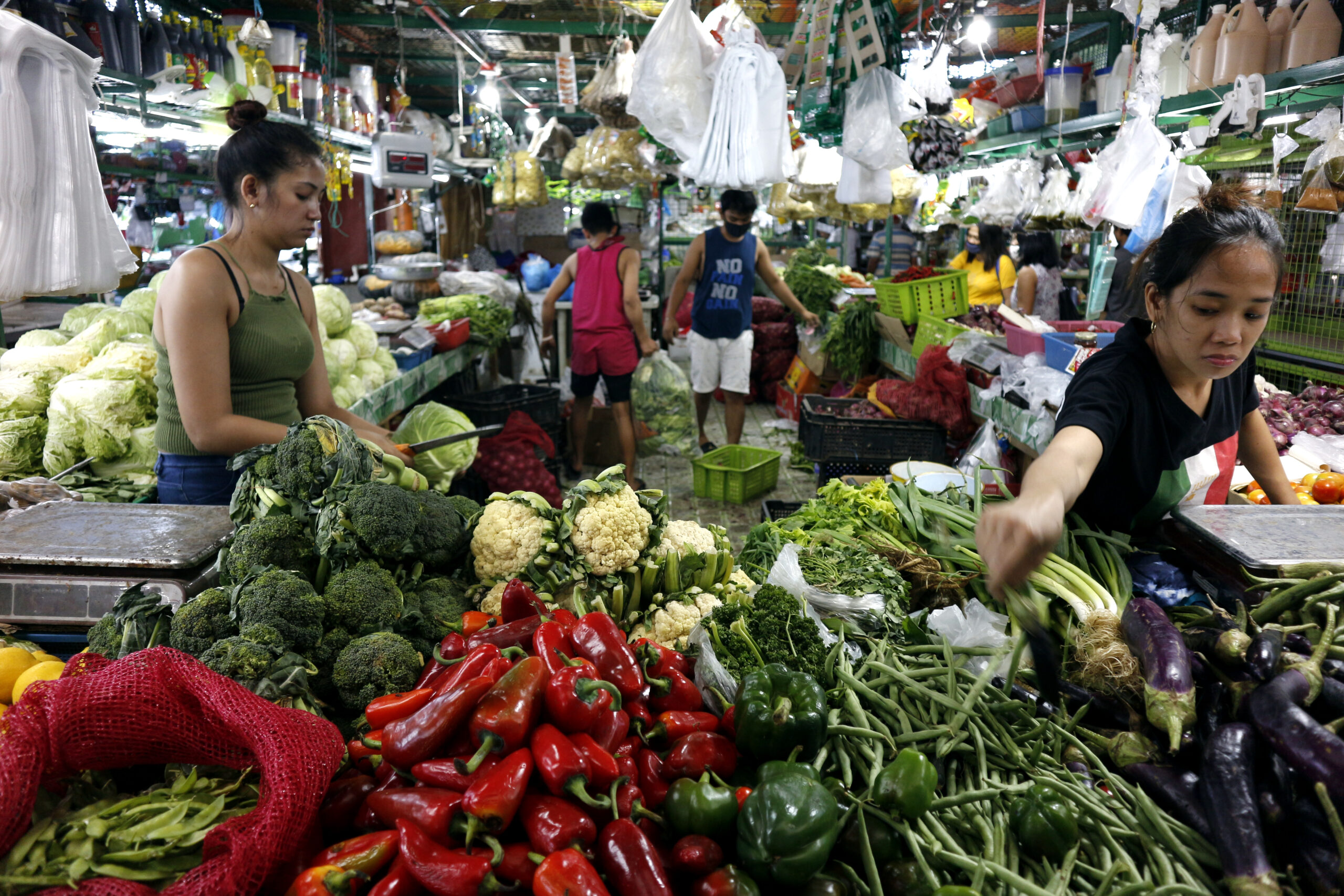
Food inflation slowed to 5.8 percent from 6.1 percent in April, helped by slower increases in the prices of vegetables, fish, fruits and ready-made food products. However, inflation for key staples continued to accelerate, with rice inflation rising to 15.6 percent from 13.7 percent and corn inflation climbing to 25.5 percent from 21.0 percent.
The inflation burden remained heavier on poorer households. Inflation for the bottom 30 percent of income households eased slightly to 8.4 percent in May from 8.5 percent in April, bringing the January-to-May average to 5.0 percent. The deceleration was largely attributed to slower increases in housing and utility costs and transport expenses.
Food and non-alcoholic beverages remained the largest contributor to overall inflation, followed by housing and utilities and transport.