Universal healthcare in the Philippines may be gaining momentum through expanded PhilHealth benefits, but healthcare leaders say the path to affordable care extends far beyond the state insurer’s coverage packages.
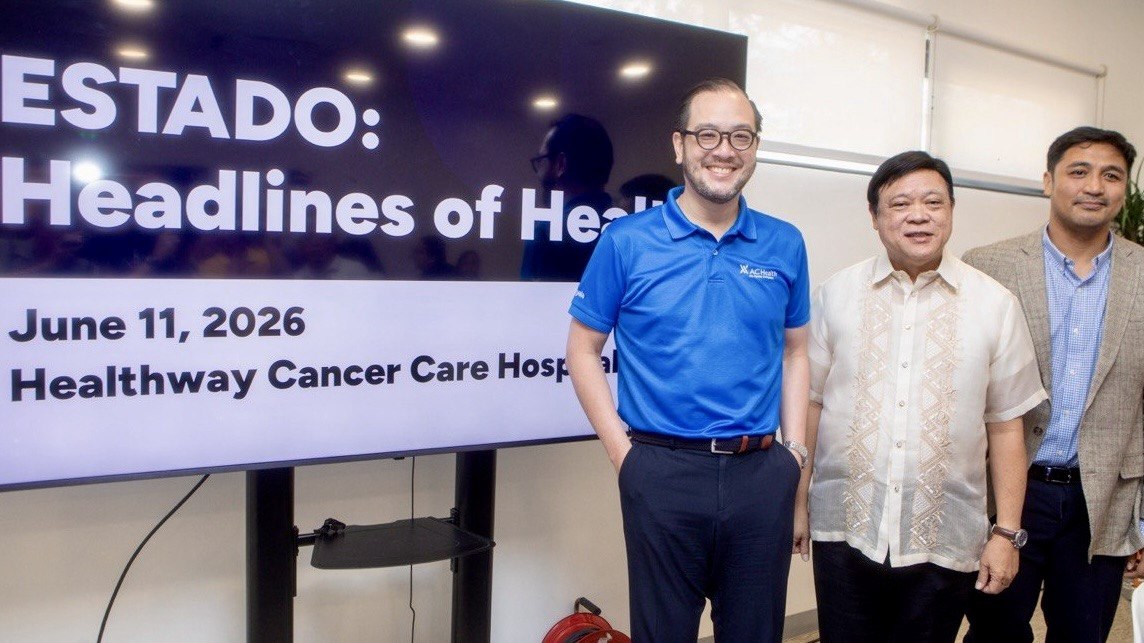
At a forum held June 11 at Healthway Cancer Care Hospital, government and industry stakeholders stressed that reducing the financial burden on Filipino patients will require a broader coalition—one that includes hospitals, pharmacies, pharmaceutical companies, and multiple government agencies working in tandem.
PhilHealth President and CEO Edwin Mercado said the state insurer’s long-term strategy is focused on lowering out-of-pocket healthcare spending, particularly for medicines and vaccines, which continue to account for a significant share of household medical expenses.
“Healthcare affordability is a shared responsibility,” Mercado said, emphasizing that cheaper medicines will not be achieved through insurance coverage alone. He pointed to pooled procurement, volume-based negotiations, and stronger coordination among agencies as practical tools that could drive down drug prices and improve access.
The comments highlight a key challenge facing the country’s universal healthcare ambitions: while PhilHealth has expanded benefit packages, healthcare costs remain heavily influenced by medicine prices, provider participation, and government spending capacity.
For Dianne Edralin, president of the Pharmaceutical and Healthcare Association of the Philippines, sustained public investment is essential if universal healthcare is to move from policy aspiration to lasting reality.
“Medicines are often perceived as expensive because many Filipinos still pay for them directly out of pocket,” she said, noting that collective procurement mechanisms could help government maximize healthcare budgets while shielding patients from rising costs.
Recent PhilHealth benefit expansions illustrate the potential impact of stronger public financing. Paolo Borromeo, Private Sector Advisory Council Health Sector lead and Ayala Corporation Chief Social Infrastructure Officer, cited the increase in breast cancer coverage—from P100,000 to as much as P1.4 million—as evidence that targeted government spending can provide meaningful financial protection.
He also pointed to the GAMOT program, which helps patients access complete prescription regimens, as a model for expanding healthcare affordability beyond hospital treatment alone.
Still, Borromeo argued that broader participation from hospitals, pharmacies, and healthcare providers remains crucial. The success of universal healthcare, he said, ultimately depends on whether the ecosystem can scale alongside government funding.
The message from healthcare leaders was clear: PhilHealth may be the centerpiece of universal healthcare, but achieving lower healthcare costs for millions of Filipinos will require a far wider network of partners. As benefit packages expand and healthcare demand rises, the next phase of reform may hinge less on insurance coverage itself and more on how effectively the country aligns financing, procurement, and provider participation to make healthcare truly affordable.