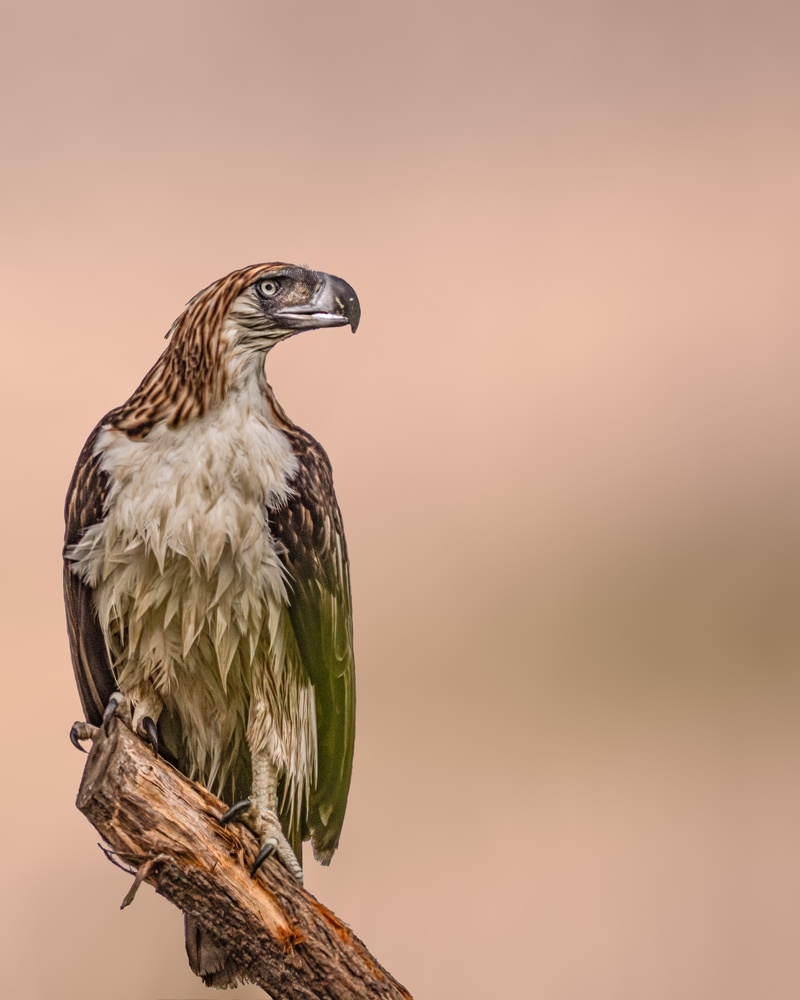
Finding a new home is hard enough. Finding one for the world’s largest forest eagle is a whole different challenge.
That’s exactly what Filipino researchers are trying to do for the critically endangered Philippine eagle, whose numbers have been pushed to the brink by disappearing forests, hunting, and human activity.
Their mission? Find the perfect address in Leyte where rescued and captive-bred eagles can spread their wings without flying into danger.
Using satellite images, digital maps, and computer modeling, researchers from the University of the Philippines Diliman created a high-tech “real estate search” for eagles. Their study, published in the Philippine Journal of Science, pinpointed two mountain areas—the Anonang-Lobi Range and Mt. Nacolod—as the best places to give the national bird a second chance.
But this wasn’t simply about finding the tallest trees.
The researchers looked for forests rich enough to feed hungry eagles, steep terrain suitable for hunting, and locations far from roads, houses, and other human activity. After all, an eagle can’t thrive if its backyard is constantly buzzing with chainsaws, vehicles, or power lines.
The need is urgent. Philippine eagles are fiercely territorial, and conservationists believe many suitable habitats in Mindanao are already occupied by established breeding pairs. That leaves little room for the species to expand naturally.
Leyte once had its own wild population, but it disappeared after decades of habitat loss, with Typhoon Yolanda further devastating the island’s forests. Conservationists now hope carefully planned reintroductions can help rewrite that story.
The study also highlights a crucial ingredient that no satellite can measure: people.
One promising release site is near Barangay Kagbana, where local Waray and Mamanwa communities have earned a reputation for protecting the majestic raptor.
In the end, saving the Philippine eagle isn’t just about giving it enough sky to soar. It’s about finding places where both forests—and the people who live beside them—are willing to help the country’s most iconic bird come home.