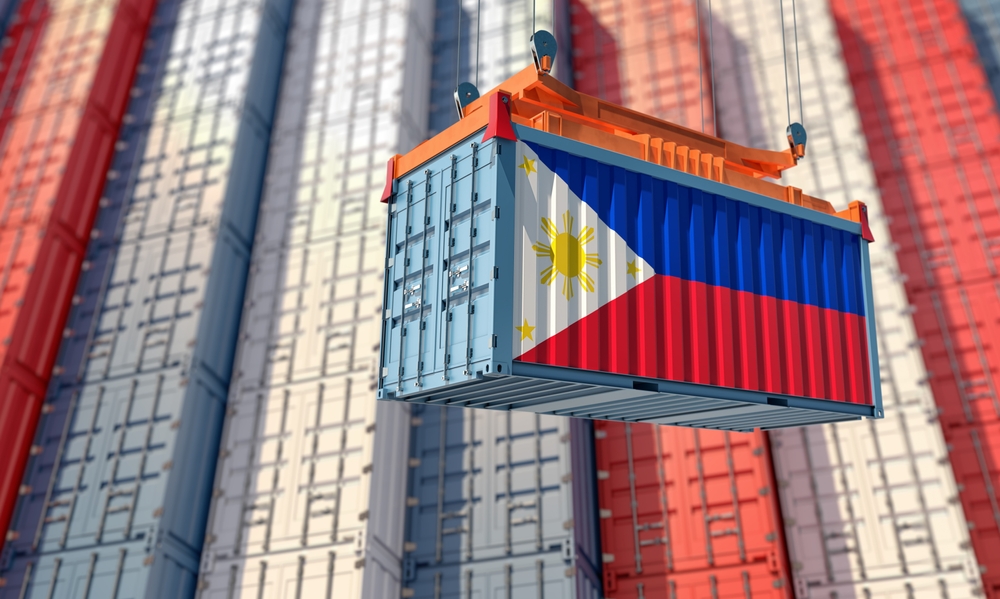
The Philippines is accelerating talks on two major trade fronts, aiming to conclude an updated economic partnership agreement with Japan by November while edging closer to a free trade deal with Canada as the Marcos administration pushes to expand export markets and attract more investments.
Trade Secretary Cristina Roque said formal negotiations on the long-awaited review of the Japan-Philippines Economic Partnership Agreement (JPEPA) are now underway following recent high-level engagements with Tokyo, ending years of limited movement on the pact that took effect in 2008.
“We’re already talking,” Roque said, adding that both sides are hopeful of concluding negotiations by November, although she acknowledged that unexpected issues could still arise.
The review comes as the government seeks to modernize one of its oldest bilateral trade agreements to reflect shifting trade patterns, stronger regional competition and new investment opportunities.
Agriculture has emerged as one of the key negotiating areas. Japan is seeking greater market access for products such as bananas, while the Philippines is pressing for improved access for its own agricultural exports, including bananas and other tropical fruits. Roque said discussions with Agriculture Secretary Francisco P. Tiu Laurel Jr. indicate the remaining agricultural issues are manageable.
Negotiators are also tackling market access for Japanese motor vehicles, particularly lower-engine-displacement models, a longstanding priority for Tokyo.
On a parallel track, Roque said the Philippines is “very close” to concluding negotiations for a free trade agreement with Canada. She is scheduled to travel there on July 1 to advance the talks while promoting the country as an investment destination.
The proposed Canada agreement is expected to deepen cooperation in agriculture, technology and energy while creating new opportunities for Philippine exports and foreign investments.
Taken together, the two negotiations signal a renewed push to diversify the country’s trade partnerships at a time when governments are seeking more resilient supply chains and wider market access. For the DTI, the goal extends beyond signing agreements. Roque said expanding exports, particularly agricultural products, will become a major priority after this year as overseas demand continues to grow for Philippine produce such as fresh mangoes and ube.