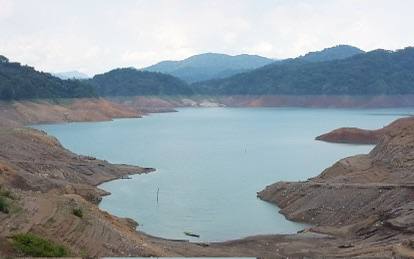
The Metropolitan Waterworks and Sewerage System (MWSS) on Wednesday assured the public that authorities are fully monitoring Angat Dam’s water situation, even as its level fell below the 160-meter critical mark. As of 8 a.m. Wednesday, data from the National Power Corporation (NPC) recorded the dam’s elevation at 159.9 meters.
MWSS spokesperson Engr. Patrick Dizon explained the drop follows the normal annual cycle: levels typically decline from January to July before rising again when rains arrive from July to December, whether El Niño occurs or not. He noted that conservation measures were put in place early this year once El Niño risks were confirmed, and an inter-agency technical group meets weekly to coordinate management. This body includes the National Water Resources Board (NWRB), irrigation and power agencies, PAGASA, and water concessionaires. Reliance on Angat has also lessened over time thanks to new treatment plants and the partially completed Wawa Dam project.
Maynilad said its supply stays stable despite falling levels, drawing on lessons from the 2019 El Niño when Angat hit record lows. The firm now has stronger buffers: its Laguna Lake treatment capacity reaches 450 million liters daily, while total system capacity has risen by 173 million liters since 2019. Additional sources include modular plants, recycled wastewater facilities, and deep wells to supplement supply.
Manila Water meanwhile urged customers to sign up for its free desludging service. Dry conditions from El Niño harden soil around septic systems, while sudden rains can overwhelm full tanks—raising risks of backups or sanitation problems. Proper maintenance prevents costly repairs and protects public health and waterways, the company said.
The NWRB recently gathered local governments and national bodies to finalize coordinated action plans. Key agreements include making water conservation a permanent practice, adding water supply concerns to the National Disaster Risk Reduction and Management Council agenda, and setting up El Niño task forces in all LGUs.
Local governments were asked to share data on rainwater collection systems, submit local conservation plans, list large water users, and speed up permits for leak repairs to cut waste. Officials also committed to issuing simpler, clearer advisories so the public can better grasp the need to save water.