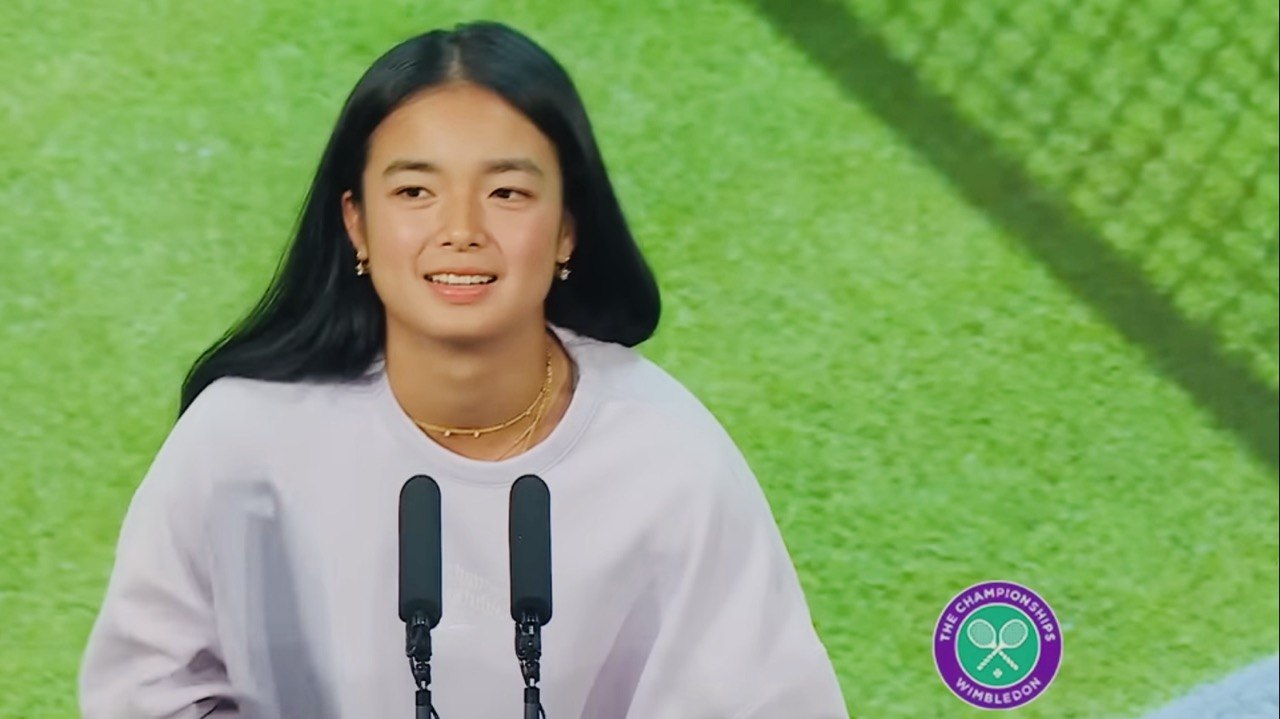
Long before Alex Eala was toppling queens on Wimbledon’s manicured lawns, she was just another little Filipino girl sprinting to the tennis courts after school—ruffled socks, light-up shoes, chubby cheeks, and dreams far too big for a country where tennis barely makes the back page.
Turns out, dreams don’t care how popular a sport is.
That is why Eala’s stunning victory over defending champion Iga Świątek was never just about reaching the Round of 16. It was about proving that Centre Court can feel a lot closer than geography suggests.
“I’m really emotional right now,” Eala said after the biggest victory of her career. “Maybe for someone like Iga, who has won so many Slams—or someone like Serena or Venus—this achievement may seem small. But for someone who grew up in the Philippines…”
She didn’t need to finish.
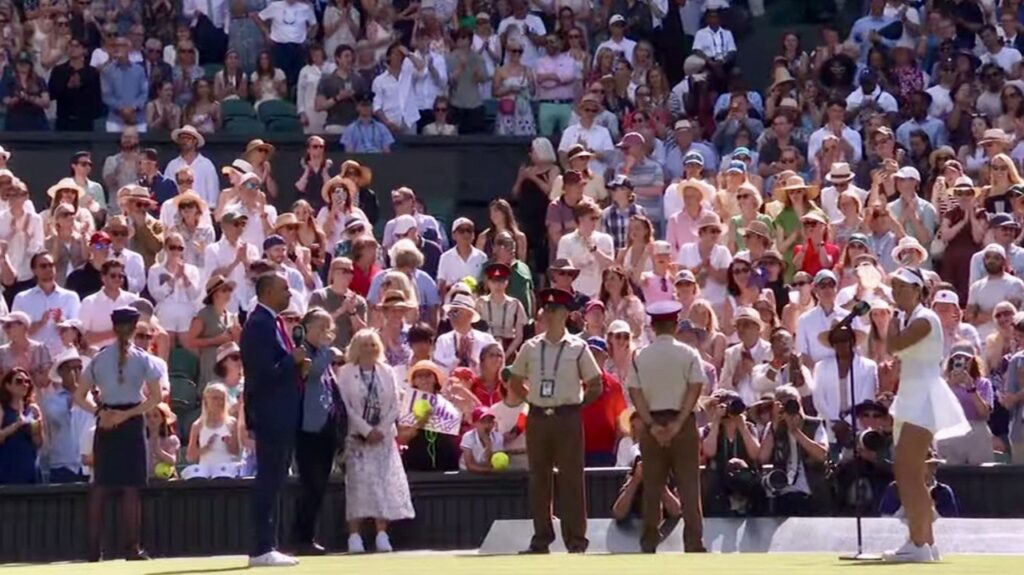
The sea of Filipino supporters inside Centre Court happily supplied the ending, drowning out her words with cheers loud enough to travel halfway across the world.
“I went to train with my brother and grandfather every day after school, with my ruffled socks, light-up shoes, and chubby cheeks,” she recalled. “To her, this is everything.”
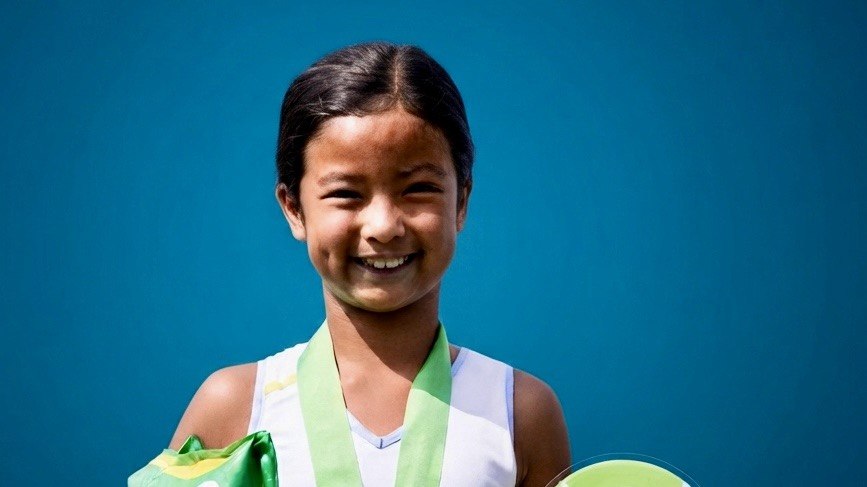
Perhaps that’s why Wimbledon has always occupied a special corner of Eala’s imagination. Long before she walked onto its hallowed grass, she had already pictured herself there. As a child, she was captivated by its traditions—the pristine all-white dress code, the emerald lawns, the quiet elegance with which champions carried themselves. It was the tournament she loved most, even before she fully understood why.
Now she wasn’t merely imagining Centre Court. She was living it.
“This is one of the biggest matches of my life,” Eala said. “This is my dream court. How many times have I dreamed of opportunities like this? Being here is already a blessing. I’ve worked super, super hard, so if I have the chance, I’ll take it.”
But Eala hopes young dreamers don’t aspire to become another Alex Eala.
“It would be an honor of my life to inspire others,” she said. “But I don’t want them to say, ‘I want to be the next Alex Eala.’ I want them to say, ‘I want to be the first me. I want to make my own path.'”
That path, she reminds everyone, isn’t paved with trophies. It’s paved with Tuesdays—with dawn alarms, aching shoulders, missed celebrations, and 12-hour training days that never make the highlight reels.
Eala recalled the sacrifices she, her family, and her team from the Rafa Nadal Academy had made just to get to this point. She left her quiet life in Manila for Mallorca in Spain when she was barely a teenager to pursue her tennis dream. “We’re the ones who wake up early and come home late. That work ethic is what keeps me grounded,” she said.
It is, perhaps, the most Filipino part of her story.
Growing up, Eala watched an entire nation stop whenever Manny Pacquiao fought. She later celebrated Hidilyn Diaz lifting Olympic gold, EJ Obiena soaring over impossible heights, and Carlos Yulo flipping his way into history. Different sports, different journeys, but one unmistakable thread.
“The Filipinos have such a great work ethic,” Eala said. “We are really hard workers, and when it counts, we can show up.”
Her own triumph is cut from the same cloth—not born from one magical Saturday at Wimbledon, but from thousands of ordinary mornings when no cameras were watching.
And somewhere today, another little girl with light-up shoes, chubby cheeks, and a borrowed racket is hurrying to practice after school.
Thanks to Alex Eala, she’ll arrive believing that Centre Court isn’t just a place on television.
It’s an address that just might have room for one more Filipino dream.