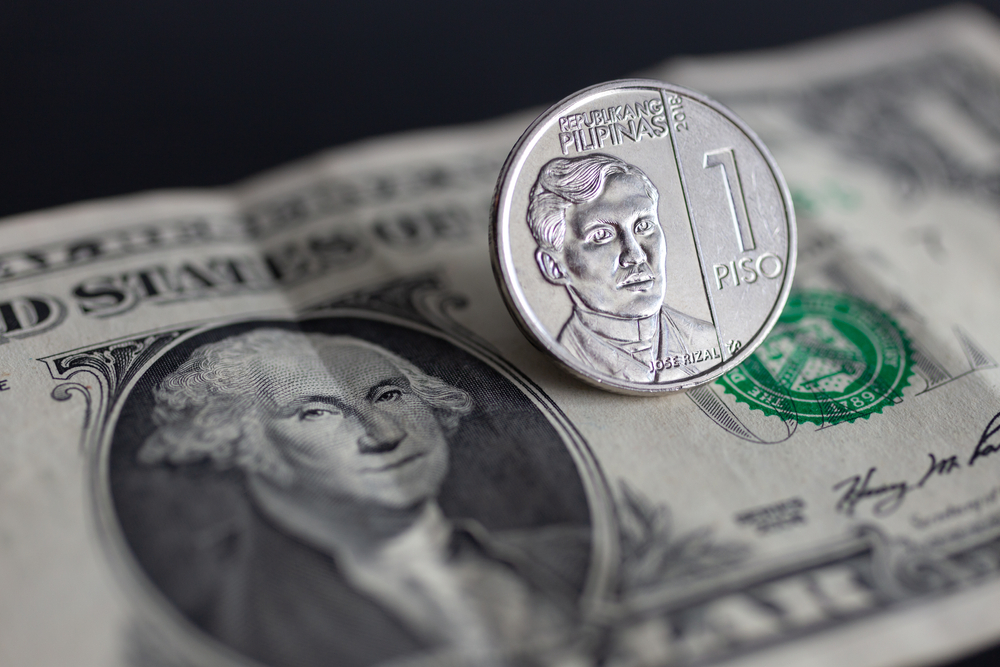
The peso appears to have found its footing, but investors know that calm currencies do not always guarantee calm markets.
The Philippine currency is expected to stay relatively stable against the US dollar for now, thanks to possible market intervention by the Bangko Sentral ng Pilipinas and growing expectations that policymakers could deliver another interest rate hike at their Aug. 27 meeting, according to Rizal Commercial Banking Corp. Chief Economist Michael Ricafort.
The peso has traded within the P61.60 to P61.70 range despite lingering global uncertainties, a sign that monetary authorities remain focused on smoothing excessive volatility while keeping inflation expectations anchored.
“It is worth noting that the peso exchange rate was relatively stable versus the US dollar recently amid possible intervention or smoothening of market volatility,” Ricafort said.
He added that another rate increase could further support the currency by easing imported inflation and reinforcing price stability.
Stocks have also shown renewed resilience. The Philippine Stock Exchange index climbed 1.9 percent last week for its second weekly gain in three weeks, although the market still needs a convincing break above the 6,200 level to sustain the rally. Immediate support remains between 6,000 and 6,100.
That said, the market’s biggest variable may not come from economics but from politics.
Brokerage firm 2TradeAsia said investors are increasingly watching how the Senate handles Vice President Sara Duterte’s impeachment trial, with political risk premiums likely to shape trading sentiment in the weeks ahead. Overseas developments, particularly the Doha-mediated US-Iran peace discussions, and movements in the peso will also remain on investors’ radar.
A softer June inflation print could provide another lift, potentially pushing the benchmark index toward the 6,200 to 6,400 range.
Beyond inflation, attention will gradually shift to first-half corporate earnings, with banks expected to lead on solid profit growth while firmer prices for gold and base metals could brighten prospects for mining shares.
The takeaway is straightforward. Monetary policy is giving markets a measure of stability, but sentiment remains vulnerable to events beyond the balance sheet. For investors, the next market catalyst may come as much from the Senate floor as from the central bank’s boardroom.