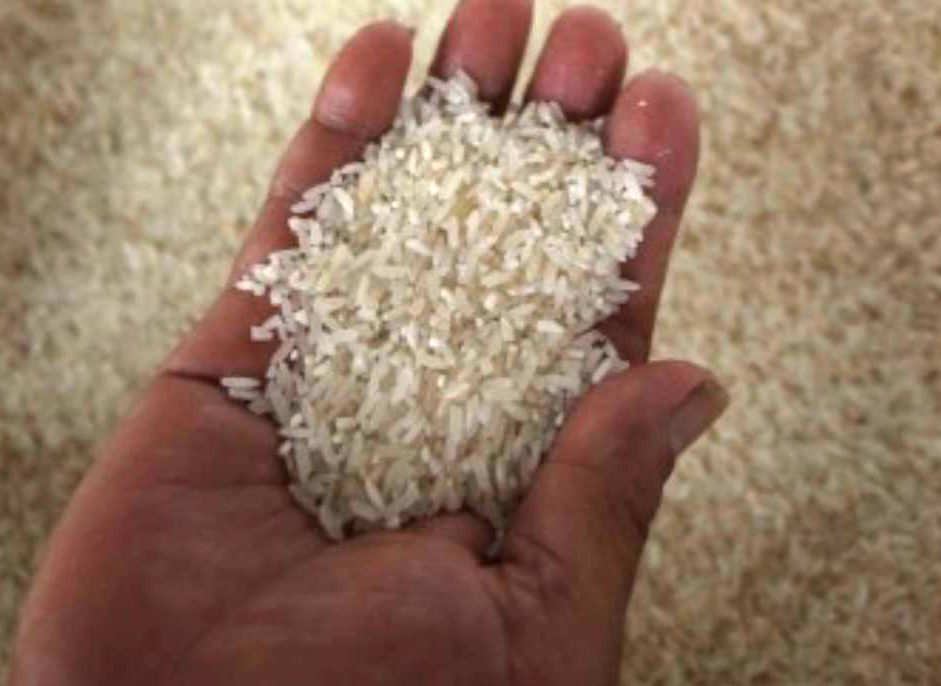
Lower food prices, particularly rice, helped cool inflation in June, prompting Agriculture Secretary Francisco P. Tiu Laurel Jr. to push for the extension of the government’s price cap on imported rice while sustaining efforts to keep food supplies ample and markets stable.
Headline inflation eased to 6.4 percent in June from 6.8 percent in May, according to the Philippine Statistics Authority, extending a recent downtrend as food prices showed signs of easing after months of sustained pressure.
Food inflation slowed to 5.4 percent from 5.8 percent, with softer increases in rice and fish prices and a steeper decline in meat prices helping temper overall price growth. Rice inflation eased to 15.0 percent from 15.6 percent, while fish inflation slowed to 7.8 percent from 8.8 percent.
Food and non-alcoholic beverages remained the biggest contributor to overall inflation, accounting for 2.0 percentage points of the June headline rate.
The easing in food prices also provided some relief to lower-income Filipinos. Inflation for the bottom 30 percent of income households slowed to 8.0 percent in June from 8.4 percent in May, indicating that moderating prices of essential goods are beginning to ease cost-of-living pressures on the country’s most vulnerable families, whose spending is heavily concentrated on food and other necessities.
“The latest inflation numbers show that keeping food affordable delivers real benefits to Filipino families, especially those who spend a large portion of their income on basic necessities,” Tiu Laurel said. “We must continue ensuring adequate supply, efficient distribution, and reasonable prices, particularly for rice, so inflation remains manageable while consumers and farmers alike are protected.”
The agriculture chief said the latest figures reinforce the importance of extending the P50 per kilo price ceiling for imported rice, alongside measures to maintain sufficient inventories and improve the movement of food from farms to markets.
Food remains the biggest driver of inflation. Cereals and cereal products, including rice, accounted for 68 percent of food inflation, followed by fish and seafood at 25 percent and vegetables at 15 percent.
While inflation remains above the government’s target, June’s figures suggest that efforts to stabilize food supply and moderate rice prices are gaining traction. For policymakers, the data underscore a familiar reality: keeping staple food affordable and readily available remains one of the most effective tools for keeping inflation in check.