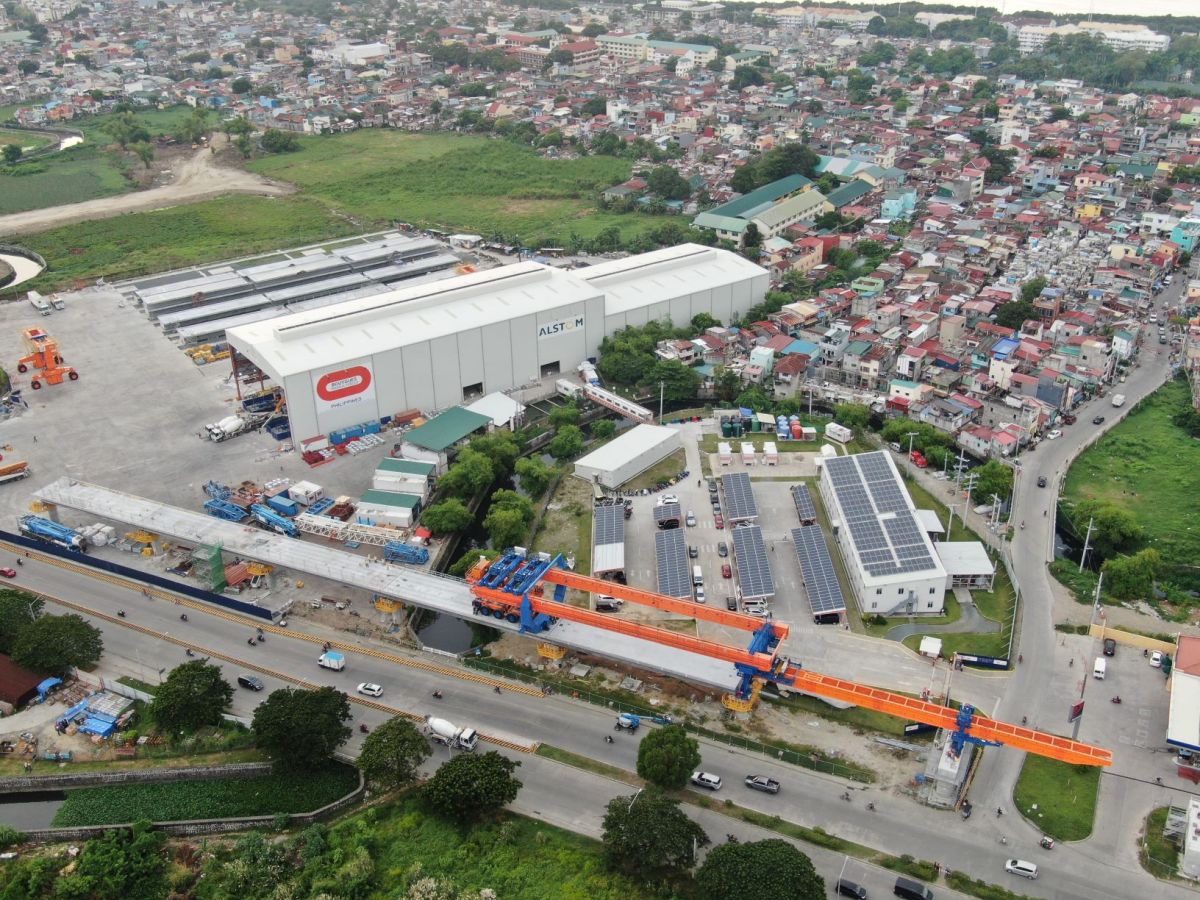
The Economy and Development (ED) Council chaired by President Ferdinand Marcos Jr. has approved a key variation order for the Light Rail Transit Line 1 (LRT-1) South Extension Project, removing another hurdle to the long-awaited opening of the Common Station, the centerpiece of Metro Manila’s integrated rail network.
The approved variation order authorizes additional works needed to connect LRT-1 with Manila Metro Rail Transit System Line 3 and Metro Rail Transit Line 7, while laying the groundwork for future integration with the Metro Manila Subway. The expanded scope covers station completion works, viaduct construction, railway systems, signaling upgrades, and the integration of an Automatic Fare Collection System to ensure seamless transfers across multiple rail lines. Interim operations are targeted by March 2028.
The approval marks another step toward addressing Metro Manila’s fragmented transport network, where passengers have long endured multiple transfers, separate ticketing systems, and congested interchange points. Once operational, the Common Station is expected to become the country’s largest rail interchange, significantly improving connectivity across the capital.
“This is a key step toward an integrated transport system that will improve the daily travel experience for thousands of Filipinos, helping them reach jobs, schools, services and opportunities faster and more conveniently,” said Arsenio Balisacan.
Beyond transport, the council also approved several major initiatives designed to strengthen the country’s long-term growth prospects. These include the P15.76-billion TESDA Boosting Employability in Strategic Technical and Vocational Education and Training Sectors (BEST) Project for official development assistance financing, the P10.07-billion Philippine Geothermal Resource Derisking Facility to encourage renewable energy investments, the Philippine Artificial Intelligence Infrastructure Master Plan 2026–2033, and revisions to the Philippine Seismic Risk Reduction and Resilience Project to reinforce public school buildings across Metro Manila.
Taken together, the approvals signal the administration’s push to pair infrastructure development with investments in workforce skills, clean energy, digital technology, and disaster resilience. While commuters may have to wait until 2028 for trains to converge at the Common Station, the latest decision moves one of the country’s most ambitious transport integration projects another step closer to reality.