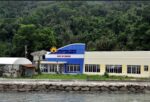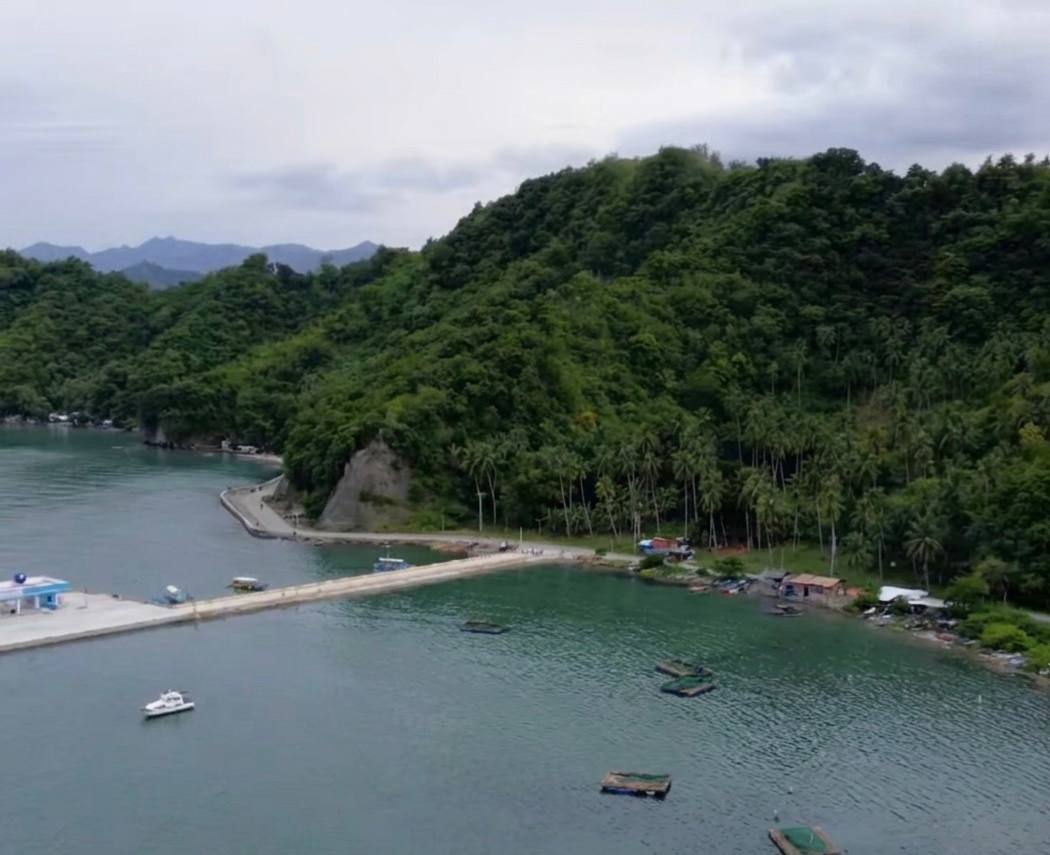
The Department of Agriculture (DA) and Philippine Fisheries Development Authority (PFDA) are committing nearly P190 million to build and upgrade two municipal fish ports in Davao del Sur, designed to cut post-harvest waste, boost food security, and drive growth in coastal areas.
Agriculture Secretary Francisco Tiu Laurel Jr. and PFDA acting general manager Glen Pangapalan recently inspected ongoing works at the sites in Malalag and Sta. Cruz, as part of the government’s broader push to modernize national fisheries infrastructure. Once completed, both facilities will serve as fully equipped hubs that streamline post-harvest handling, simplify fish trading, draw more business investments, and open up new income opportunities for local fisherfolk.
Secretary Tiu Laurel emphasized that modern port facilities directly support food security, noting that less spoilage and faster delivery from coastal communities to markets will strengthen the country’s food supply while helping fishers earn better returns from their catch. Atty. Pangapalan added that these upgraded systems will create a supportive environment for fisherfolk, traders, processors, and other industry players to prosper together, with the goal of strengthening the entire fisheries value chain, improving food distribution, and fostering inclusive progress in coastal towns.
Work on the Malalag port in Barangay Baybay entered its second phase after the first stage wrapped up in late 2024, and is set to be finished by the first quarter of 2027. This expansion covers land reclamation, site preparation, utility systems, a trading hall, warehouse, administration building, and other facilities to upgrade how fish is processed, stored, and transported. The Sta. Cruz port in Barangay Bato is targeted for completion in early 2027, and will include a market hall, ice production area, food hub, office space, access roads, and core infrastructure to centralize unloading and trading, while giving local fishers easier access to wider markets. Both projects are also expected to generate jobs during construction and once operational, and attract further investments in cold storage, fish processing, logistics, and related sectors.