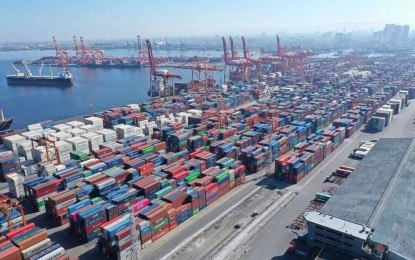
Port users are urging regulators to tighten proposed reforms on cargo handling and container yard operations, arguing that stronger safeguards are needed to ensure lower logistics costs as the government pushes to modernize Philippine ports.
In a position paper submitted to the Bureau of Customs (BOC), the United Portusers Confederation of the Philippines (UPC) expressed support for the proposed Joint Administrative Order (JAO) on yard utilization and transparency, saying it addresses long-standing concerns over port charges, congestion and container management.
The draft rules seek to standardize cargo handling fees, curb unjustified rate increases, regulate container deposits, improve congestion management and establish an integrated container monitoring system.
But UPC said transparency should also empower the businesses that ultimately pay the bills.
The group proposed creating a publicly accessible BOC-Department of Trade and Industry portal where approved origin and destination charges, fee ceilings and average freight rates can be viewed, allowing importers and exporters to verify whether shipping lines are charging government-approved rates.
It also urged regulators to shorten container deposit refund periods from the proposed 15 days to just five to seven banking days through an automated digital platform, saying delayed refunds unnecessarily lock up the working capital of small and medium-sized businesses.
To rein in logistics costs, UPC recommended a mandatory five- to seven-day free period before demurrage and detention charges take effect, arguing that smaller importers often lack the bargaining power to negotiate fair terms.
The group also called for stiffer penalties against operators that illegally withhold container deposits or impose unauthorized charges, saying the proposed fines of up to P10,000 a day may be too low to discourage violations.
UPC further proposed giving importers, exporters and customs brokers read-only access to the planned container monitoring system while preventing monitoring costs from being passed on to cargo owners.
The recommendations underscore growing calls for reforms that go beyond transparency, with businesses pushing for stronger accountability and lower logistics costs to improve the competitiveness of Philippine trade.