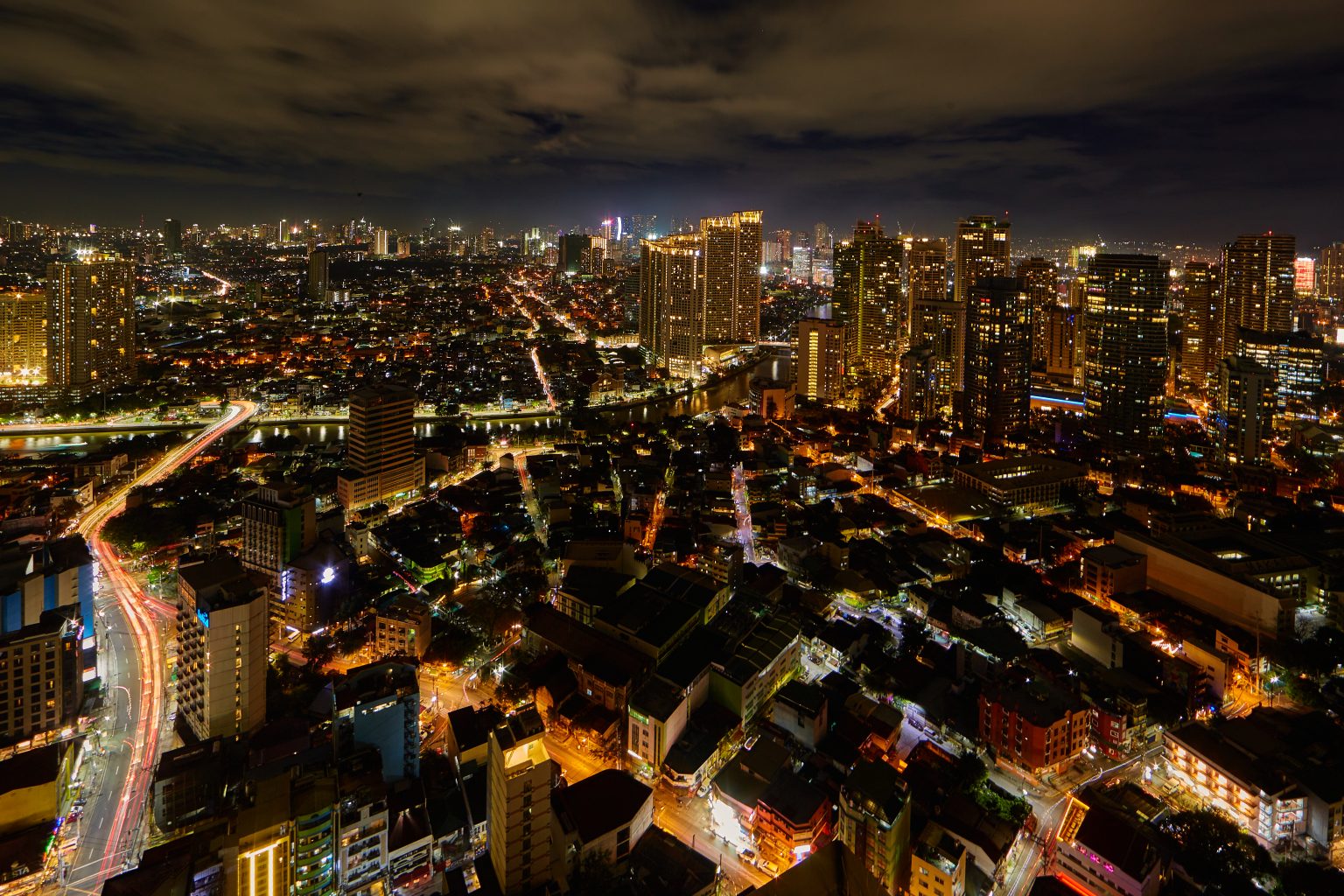
Manila has emerged as the world’s second-fastest growing prime residential market, underscoring the Philippine property sector’s resilience despite geopolitical tensions, elevated inflation and a slowdown in new project launches.
According to Santos Knight Frank, the capital posted a 19 percent year-on-year increase in prime residential prices in the first half of 2026, placing it second in the latest Prime Global Cities Index. The performance highlights continued demand for high-end homes and Manila’s relative affordability compared with other luxury markets across the Asia-Pacific.
The strong showing came even as the disruption in the Strait of Hormuz prompted developers to take a more cautious approach to launching new residential projects. Rather than aggressively expanding supply, many focused on absorbing existing inventory as buyers became increasingly price-conscious. Even so, demand remained resilient across multiple real estate segments, supporting the industry’s longer-term growth outlook.
The office market stood out as one of the sector’s brightest performers. Net absorption rose 28.5 percent year on year to 257,000 square meters in the first half, driven largely by expansions in the information technology and business process management sector. Metro Manila office vacancy improved to 18 percent from 21 percent at the end of 2025.
Taguig continued to lead the office market with the country’s lowest vacancy rate at 9 percent while commanding the highest average monthly asking rent of P1,368 per square meter. Makati followed with an 18 percent vacancy rate.
Industrial real estate also gathered pace as investments in renewable energy, e-commerce and data centers expanded. Santos Knight Frank said participation in the Luzon Economic Corridor and Pax Silica initiatives is strengthening the country’s investment appeal, with data center capacity projected to nearly triple to around 500 megawatts by 2028.
Tourism and retail added further momentum. International arrivals reached 2.9 million despite temporary flight disruptions, supporting hotel development and MICE investments. Meanwhile, retail developers continued expanding into provincial cities while reshaping malls into lifestyle destinations centered on dining, entertainment and experience-driven consumer spending.