The Philippines has bolstered its position in the US’ ongoing Section 301 tariff review by adopting stricter rules that prohibit the importation of goods produced through forced labor, a move aimed at strengthening supply chain integrity while protecting domestic manufacturers from unfair competition.
The Department of Trade and Industry (DTI), Department of Labor and Employment (DOLE), and Department of Finance (DOF) signed a Joint Administrative Order (JAO) establishing procedures to investigate and block imports produced wholly or partly through forced labor.
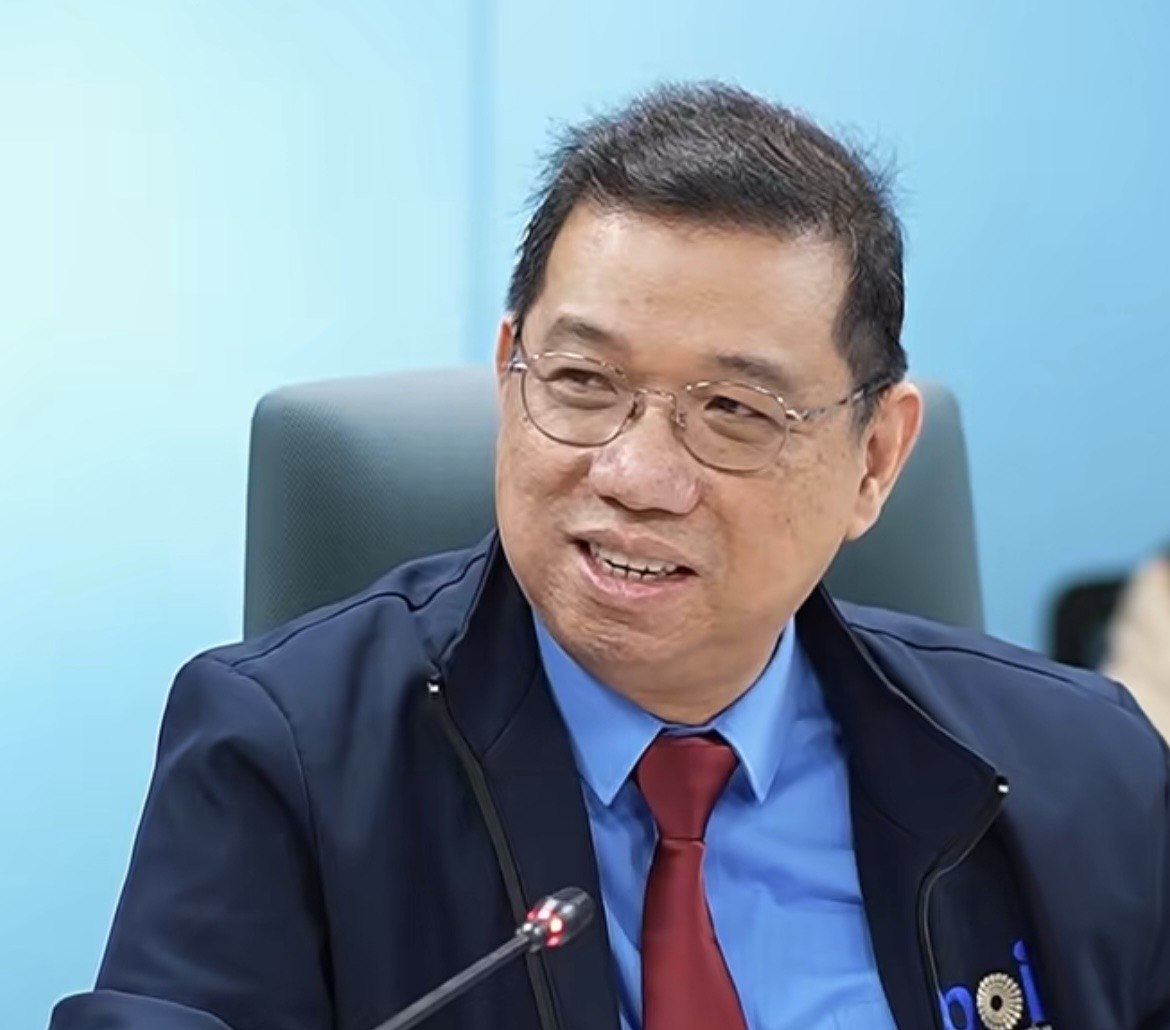
Trade Undersecretary Ceferino Rodolfo said the measure is rooted in fair trade principles rather than simply responding to US trade requirements.
“This will be beneficial to the Philippines as a matter of principle,” Rodolfo said, noting that the country, as a signatory to International Labour Organization conventions, has an obligation to keep forced labor out of its supply chains.
He said products made under forced labor gain an artificial cost advantage because they are produced under “non-market labor conditions,” making it difficult for Philippine manufacturers that pay lawful wages to compete.
“Kawawa ang nagbabayad ng tamang sweldo,” Rodolfo said, adding that the new rules help create a level playing field for compliant local businesses.
The policy also strengthens the Philippines’ broader push to position itself as a trusted manufacturing and sourcing destination at a time when multinational companies are placing greater emphasis on ethical supply chains and environmental, social, and governance standards.
Under the JAO, an inter-agency committee chaired by the DTI will investigate suspected shipments using traceability systems, reporting mechanisms, international cooperation, and foreign databases, including information under the US Uyghur Forced Labor Prevention Act.
Rodolfo said only a handful of Philippine exports, mainly garments and electronics, have been temporarily detained by US authorities, accounting for less than one-tenth of one percent of the country’s exports to the US.
He added that discussions with the Office of the US Trade Representative have been encouraging, expressing confidence that the new regulations will reinforce trust in Philippine supply chains and strengthen the country’s case in Washington’s Section 301 tariff review.
The move underscores how labor standards have become an increasingly important factor in global trade, with market access now shaped not only by tariffs and pricing but also by transparency, sustainability, and responsible production practices.