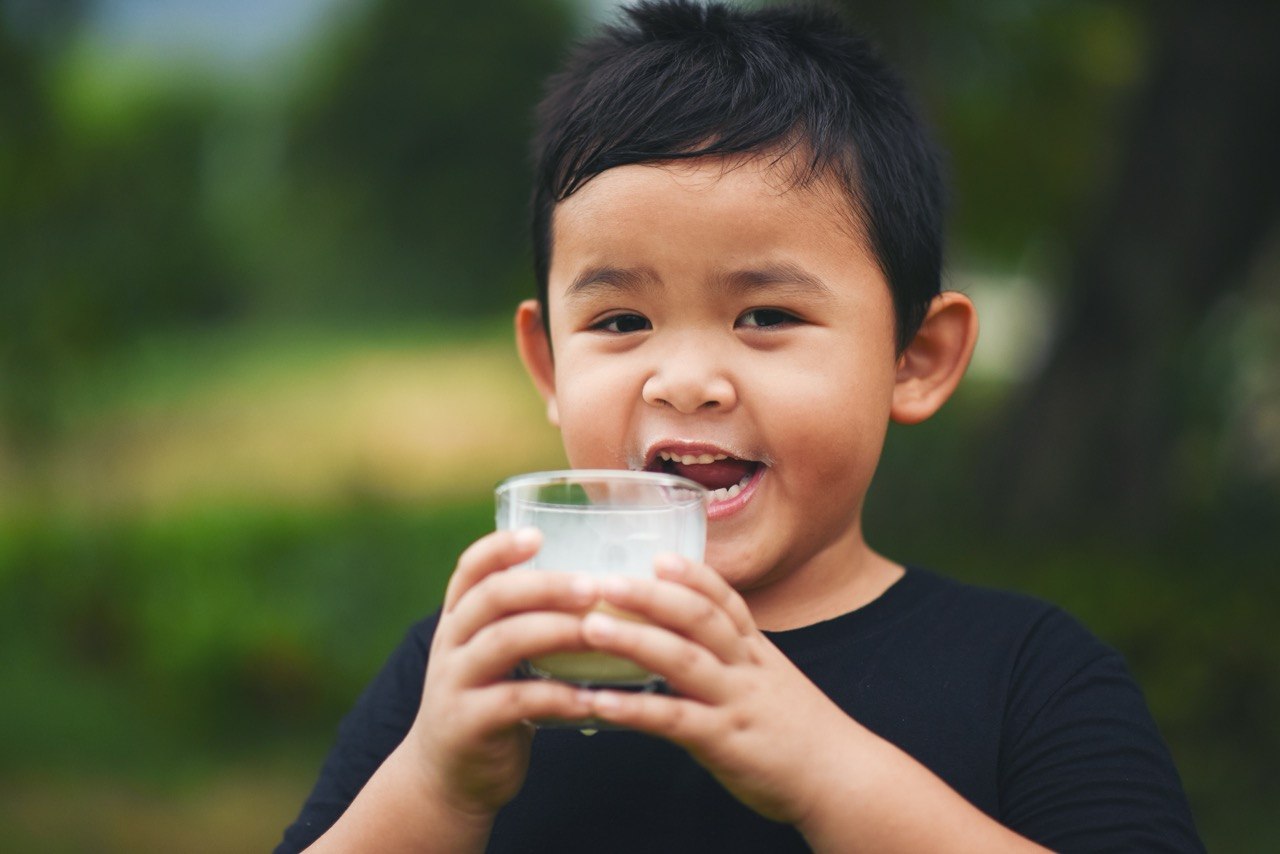
ABI Pascual Foods Inc. is urging the government to expand school milk feeding programs, saying wider access to dairy could help close persistent nutrition gaps among Filipino children while creating stronger demand for locally produced milk.
The call comes as nutrition experts warn that calcium deficiency remains widespread among school-age children, raising concerns about its long-term impact on growth, learning and overall health.
Citing data from the University of the Philippines Los Baños, the company said about 94 percent of Filipino children do not consume enough calcium, underscoring the need for sustained nutrition interventions beyond emergency feeding programs.
“Childhood nutrition is not simply about preventing hunger. It is about giving children the opportunity to grow, learn, and reach their full potential,” said Dr. Liezl M. Atienza, nutritionist-dietitian and director of the Institute of Human Nutrition and Food at UPLB.
Atienza said adequate nutrition supports not only physical development but also memory, concentration and cognitive performance, making it an investment in the country’s future workforce as much as in children’s health.
Milk plays a central role by supplying calcium, protein and other essential nutrients needed for healthy bones and brain development.
Studies on the National Dairy Authority’s milk feeding initiatives show that fresh milk provides about 41 percent of participating children’s daily calcium requirements while also contributing significant amounts of energy and protein.
ABI Pascual Foods said the findings reinforce the importance of the government’s School-Based Feeding Program under Republic Act No. 11037, which incorporates milk into nutritious meals for learners.
The company said expanding the initiative will require stronger collaboration among government agencies, schools, local communities and the private sector to ensure more children benefit while creating a stable market for local dairy producers.
“Every child deserves the opportunity to reach his or her full potential, and that starts with good nutrition,” said ABI Pascual Foods board member Michael G. Tan. “Supporting milk feeding programs is one way we can help children build brighter futures while creating greater opportunities for local dairy farmers and a more resilient dairy industry.”
Beyond improving nutrition, wider milk feeding programs could deliver a dual dividend by supporting child development while strengthening the country’s dairy value chain, reducing reliance on imported milk over the long term.