The Philippines’ P60-billion Electric Vehicle Incentive Strategy (EVIS) is opening new opportunities for local automotive parts makers as the industry eyes a bigger role in electric vehicle production and commercial EV exports.
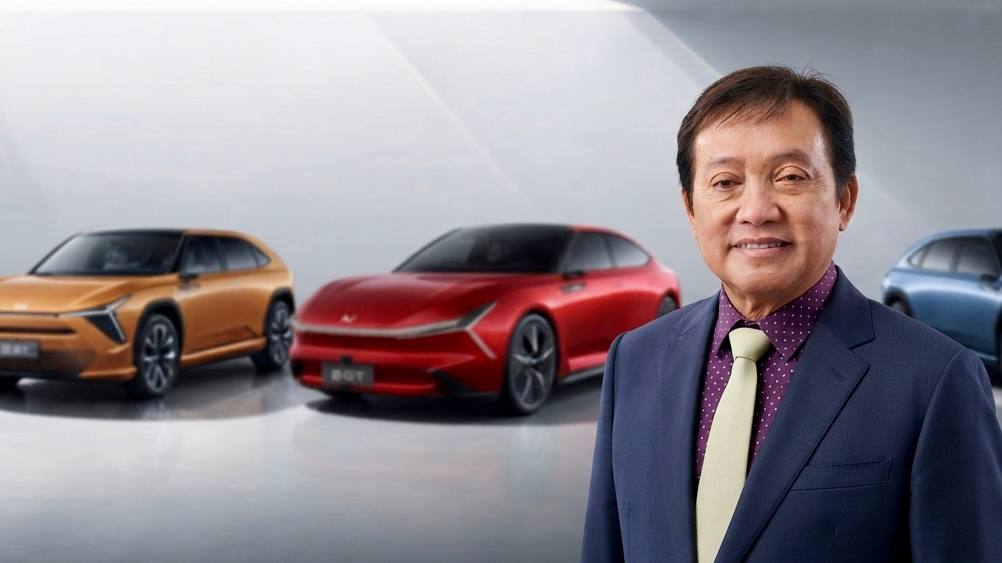
Ferdinand Raquelsantos, president of the Philippine Parts Makers Association, said the inclusion of four-wheel passenger cars and commercial vehicles under the incentive program could strengthen the domestic supply chain, given the country’s existing manufacturing capabilities.
“The EVIS provides incentives to four-wheel passenger cars and commercial vehicles, which is a positive development. Our local parts suppliers already produce a significant number of automotive components for these segments, so the program could directly benefit the domestic supply chain,” he said.
The government’s EV push is expected to encourage more investments in vehicle assembly while creating new demand for locally produced components as automakers transition toward electrified mobility.
Raquelsantos said the Philippines has an early advantage in electric transport, citing the production of locally made electric jeepneys as far back as 2007. With EVIS now in place, he said manufacturers have greater incentives to expand into modern commercial electric vehicles and related technologies.
While Thailand has emerged as Southeast Asia’s leading destination for passenger EV manufacturing, largely driven by Chinese automakers, Philippine industry players believe the country can compete by focusing on commercial electric vehicles, including fleet, logistics and public transport applications.
“It’s not too late for foreign brands to start producing commercial EVs in the Philippines. We believe this is the segment where we can effectively compete and has strong potential for exports,” Raquelsantos said.
The program could also encourage Japanese automakers with existing Philippine operations to introduce locally assembled EV models, adding another layer of growth for the domestic automotive ecosystem.
However, Raquelsantos said sustaining investor interest will require continued improvements in the ease of doing business, particularly in government processes and investment facilitation.
For local parts manufacturers, EVIS represents a chance to move beyond supplying traditional vehicles and become part of the emerging regional electric mobility supply chain, with commercial EV production seen as a possible export growth area for the Philippines.