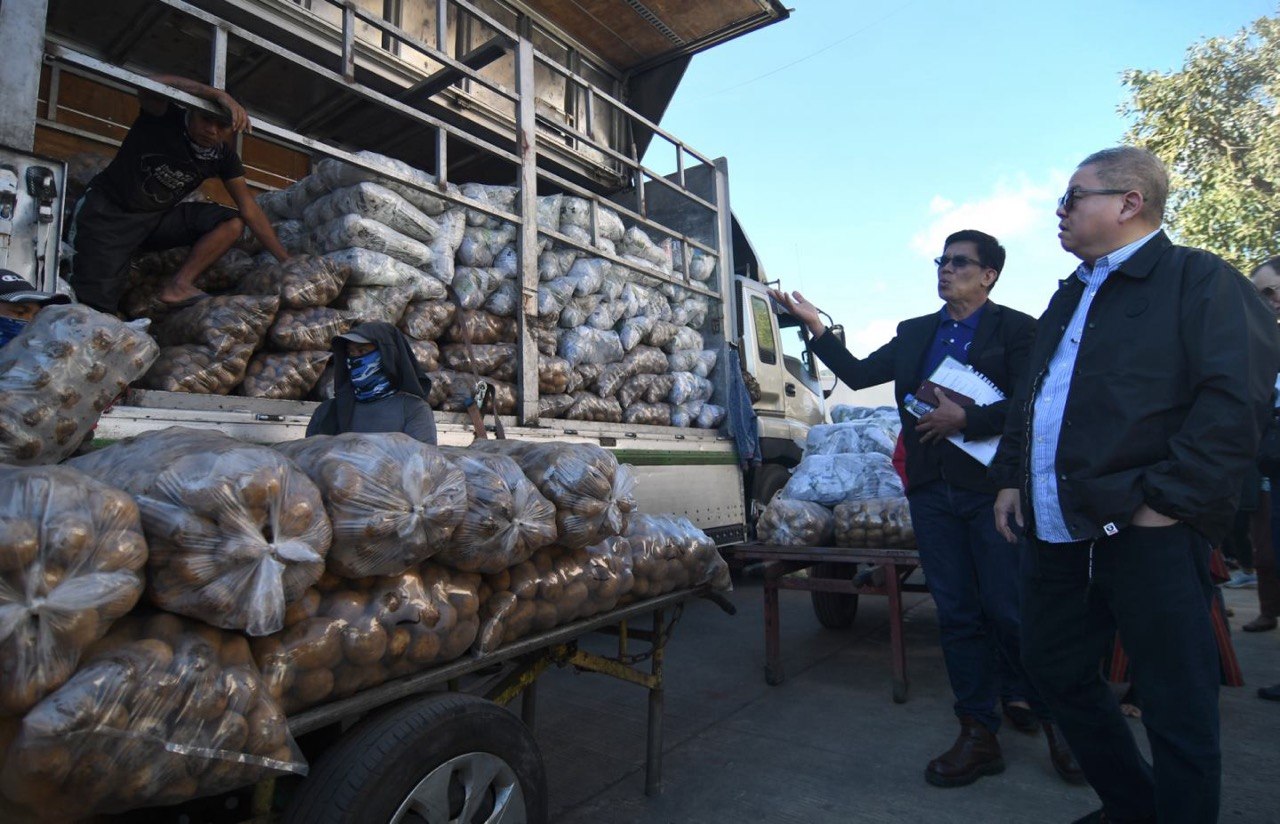
The Department of Agriculture’s Agricultural Marketing Assistance Service is enhancing its market early-warning system to anticipate supply disruptions, connect farmers with buyers earlier, and stop produce from spoiling or being sold at steep, below-cost prices. The initiative draws on lessons from the Middle East conflict, when the department used emergency procurement to keep agricultural goods moving despite sharp rises in logistics costs.
Assistant Secretary Genevieve E. Velicaria-Guevarra, who heads Agribusiness, Marketing, and Consumer Affairs and leads KADIWA ng Pangulo, said the system will work alongside regional help desks to give government a clearer view of the entire farm-to-market pipeline. “We want to move from reacting to problems to anticipating them,” she said. The tool will send alerts on incoming harvests, weather disturbances, and other supply chain risks, allowing officials to roll out support sooner. Regular harvest forecasts will improve planning, while clearer, faster farmgate price tracking will also help curb unfair practices by middlemen.
The department will also step up information campaigns to ensure more farmers—especially those working near key trading centers—know how to access KADIWA assistance. It is also strengthening coordination with other government agencies to create steady institutional buyers for highland vegetables, giving farmers reliable outlets when harvests are large instead of relying only on crowded local markets.
The need for better supply management is most urgent for vegetables, where seasonal gluts can quickly flood markets. In past periods of oversupply, some farmers have been forced to dump unsold crops rather than pay transport costs that they cannot recover from low prices—turning what should be a successful harvest into a financial loss after investments in seeds, fertilizer, and labor.
The early-warning system will serve as a critical stopgap while longer-term infrastructure is developed. Agriculture Secretary Francisco P. Tiu Laurel Jr. emphasized that large-scale cold storage and vegetable processing facilities are essential to solving recurring oversupply issues. He noted that extreme rainfall this year severely disrupted Benguet’s supply chain, describing the situation as effectively force majeure. Funding for the new facilities has been allocated for 2027, and they will be built alongside the Benguet Agri Pinoy Trading Center. While the proposed budget moves through Congress, the department is already upgrading existing cold storage and installing smaller units to add extra capacity ahead of the larger projects.