The Philippines will align policies to attract more investments into critical minerals while encouraging higher-value processing and manufacturing, as the government seeks to capture a larger share of global mineral supply chains.
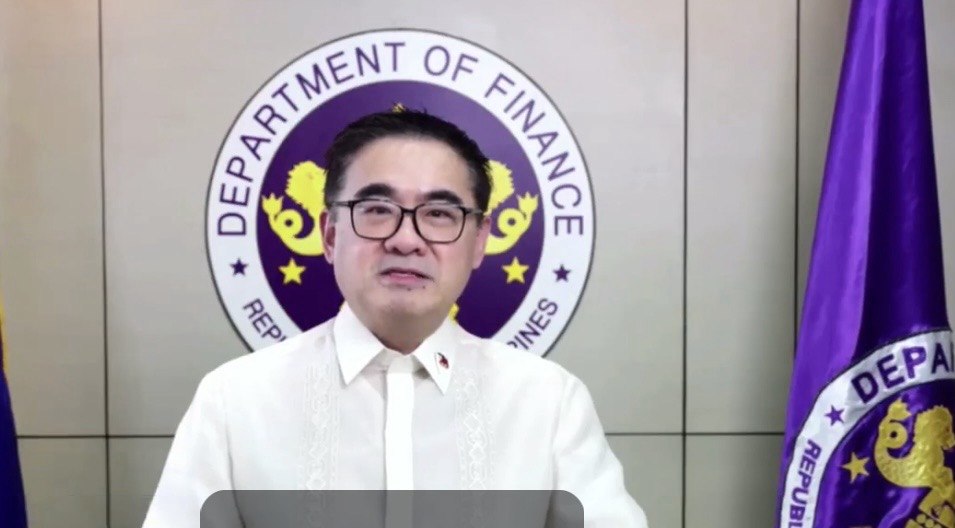
Finance Secretary Frederick Go, who is also co-chair of the Mining Industry Coordination Council, said agencies will work together to turn the country’s mineral resources into greater economic value following President Ferdinand Marcos Jr.’s issuance of Executive Order No. 122 on Aug. 21.
The order establishes a national framework for the responsible development of the mining and critical minerals sector.
“As co-chair of the MICC and head of the Economic Development Committee, we will work with our partners to ensure that our policies support the responsible development of the critical minerals industry, while encouraging more investments and greater value creation for the Philippine economy,” Go said.
Go said the framework could help shift the Philippines away from primarily extracting and exporting raw minerals toward processing, manufacturing, and other downstream activities that create more jobs and investment.
Under EO 122, the Board of Investments, in coordination with the Department of Environment and Natural Resources, will promote investments in critical mineral refining, advanced materials processing, batteries, electronic components, and renewable energy technologies.
The framework also covers supporting infrastructure and industries, including energy, water, transportation, logistics, mineral recovery, and recycling.
The policy comes as demand rises globally for minerals used in electric vehicles, renewable energy systems, electronics, and advanced manufacturing.
For the Philippines, the opportunity is significant. The country is a major nickel producer and also holds deposits of copper, cobalt, and other minerals. But extracting ore captures only part of the potential economic value.
Developing domestic processing and downstream industries could allow the country to earn more from its mineral resources while creating industrial capabilities and skilled jobs.
The challenge will be turning policy incentives into actual investments while ensuring mining remains environmentally responsible. If successful, the framework could help position the Philippines not merely as a raw-material supplier, but as a more meaningful participant in critical mineral value chains.