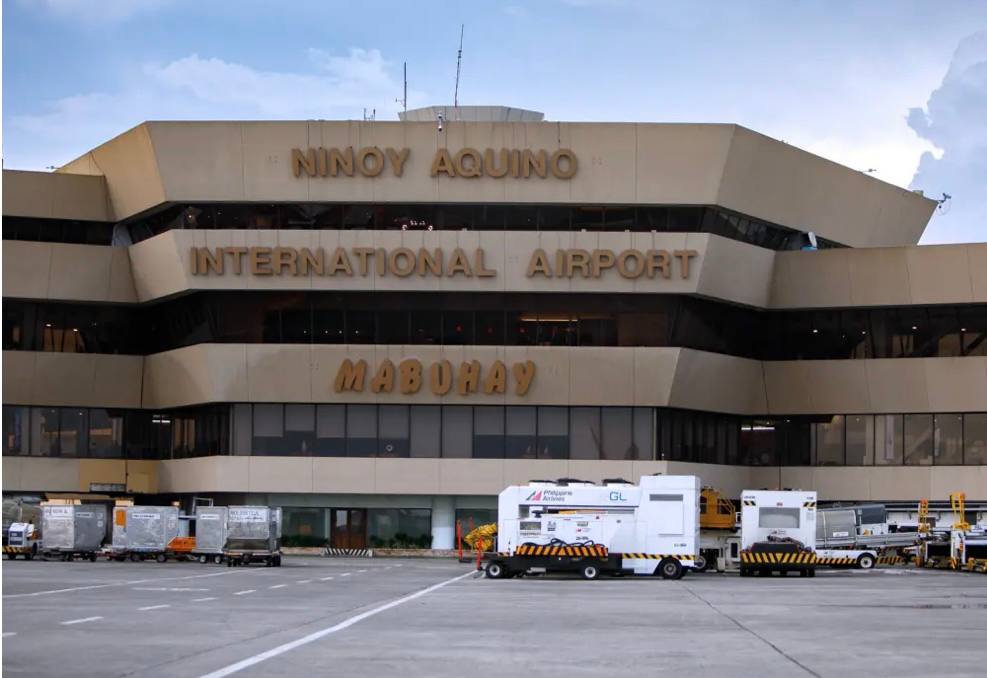
The New NAIA Infrastructure Corp. (NNIC) and the Philippine Airlines (PAL) have signed a landmark Airport Use Agreement (AUA), marking the first such standardized pact with an airline since NNIC took over management of Ninoy Aquino International Airport in September 2024.
The agreement establishes binding key performance indicators designed to boost operational efficiency and align PAL’s operations with the service levels NNIC is required to deliver under its government concession. It sets clear responsibilities for both parties on the use of airport facilities and infrastructure, and includes enforcement mechanisms for persistent failures to meet agreed standards.
NNIC president and CEO Ramon S. Ang said the framework provides a unified basis for setting expectations, measuring performance, and maintaining consistent service quality.
“This agreement gives us a clearer framework for setting expectations, measuring performance and working together to maintain consistent service standards,” Ang stated. “That is important to making airport operations more efficient and dependable.”
Lucio Tan III, president and COO of PAL Holdings, welcomed the deal as a step forward for all stakeholders.
“This is a positive development for both PAL and NNIC, and ultimately for our passengers,” Tan said. “It supports the continuing modernization of NAIA and our collective goal of delivering a better airport experience.”
The pact extends NAIA’s ongoing modernization beyond physical upgrades—covering terminals, systems, and infrastructure—to how operations are managed across the airport. It is designed to strengthen coordination among airlines, ground handlers, and the airport operator, reducing cascading delays caused by gaps in check-in, boarding, baggage handling, ramp services, or aircraft turnaround.
NNIC intends to use the PAL agreement as a template for all other carriers operating at NAIA. The operator is applying the same performance-based approach in deals with ground handling and service providers, with all frameworks aligned to government regulations and concession obligations.
Since assuming operations, NNIC has focused on upgrading facilities and resolving long-standing capacity constraints; these new operational standards represent a major expansion of that modernization effort into day-to-day airport management and accountability.