Wider access to financial services alone cannot guarantee financial stability, as many Filipinos continue to face gaps in literacy and resilience. The 2025 National Strategy for Financial Inclusion Annual Report shows that while 85 percent of Filipino households now hold financial accounts, only 74 percent show basic financial literacy, and just 30 percent have sufficient savings to endure unexpected financial setbacks. These figures make clear that access must be paired with practical knowledge to help people use financial products confidently and responsibly.
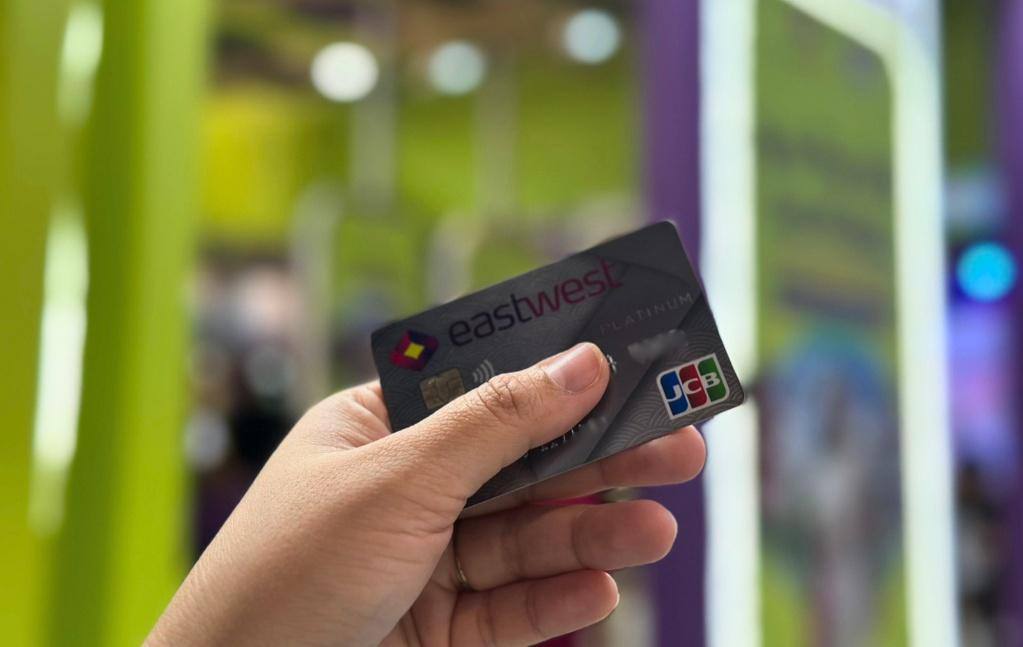
EastWest addresses this need through WAIS, its financial empowerment platform under the bank’s sustainability agenda. Short for Wise Approach to Income and Savings, WAIS delivers everyday guidance to employees, educators, and communities, focusing on essential skills such as saving, budgeting, responsible borrowing, and credit management. A recent session titled Credit Card 101 highlighted how credit cards can serve as tools for financial wellness rather than sources of stress.
“Credit cards are a very powerful tool, but it depends on how we use it—we have a choice in using it for the better or for the worse,” said Oscar Navidad, head of credit card and direct sales at EastWest.
The session emphasized paying balances in full whenever possible. Navidad explained that revolving interest applies only to unpaid amounts, so settling the total balance by the due date avoids extra charges entirely. He also warned against treating credit limits as extra income, noting that keeping credit utilization below 30 percent supports healthier habits and a stronger credit profile.
Participants were advised not to chase rewards such as cashback or discounts, which should only come naturally from regular spending. Instead, consumers should choose cards that align with their lifestyle and needs. Responsible use also builds a positive credit history, which affects future loan approvals across financial products.
“True financial well-being comes from understanding how to use financial tools wisely,” said Dave Devilles, EastWest Head of Sustainability. “WAIS teaches more than saving money—it forms habits that build wealth and protect assets, leading to responsible spending and a sustainable lifestyle rooted in mindful consumption.”
Through WAIS, EastWest continues to bring practical financial education closer to communities, reinforcing that financial wellness is not about avoiding credit but mastering its wise use.