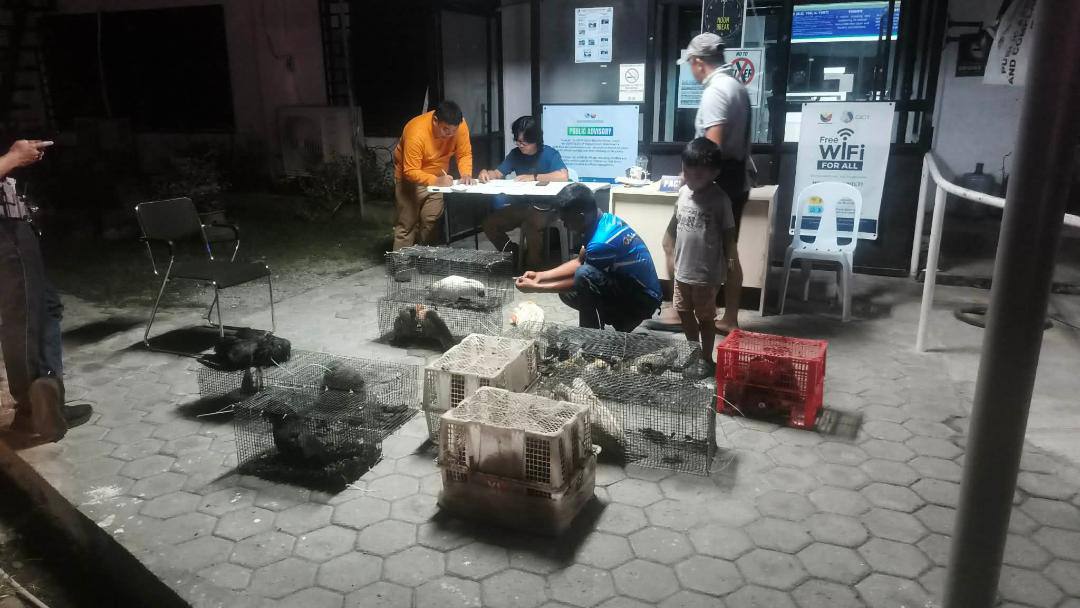
The Department of Environment and Natural Resources (DENR) reported intensified regulatory vigilance and law enforcement against wildlife violations, with 55 illegal traders apprehended and more than 300 wild fauna confiscated across 71 operations from January to August 2026. The latest haul totals 394 illegally traded animals and exotic species—including 224 birds, 97 reptiles, 54 amphibians, and additional mammals, arachnids, and insects—underscoring the government’s strict adherence to Republic Act No. 9147 or the Wildlife Resources Conservation and Protection Act. The law bans unpermitted collection, possession, transport, and sale of wildlife, with stiffer penalties for offenses involving threatened or critically endangered species.
Environment Secretary Juan Miguel “Mitch” Cuna emphasized the policy significance of sustained enforcement, noting that protecting the country’s wildlife resources requires decisive action, strengthened coordination, thorough investigations, and proper case preparation. He reaffirmed the agency’s commitment to fully implementing environmental laws and ensuring that all violations are addressed with appropriate legal measures.
The DENR continues to work closely with the Philippine National Police, Bureau of Customs, local government units, and other stakeholders to detect and stop wildlife trafficking nationwide. Regional operations show distinct patterns: birds—mostly parrots such as cockatoos, cockatiels, and macaws—dominated seizures in Visayas and Mindanao, while lovebirds were primarily intercepted in Central Luzon and Cagayan Valley. Reptiles formed the second-largest group, including iguanas, geckos, and various snakes such as vipers and pythons. Notable interceptions included 15 iguanas in Central Visayas, plus separate shipments of 60 dried geckos and 50 endangered radiated tortoises stopped by DENR personnel at the National Capital Region airport.
Authorities also targeted rarer exotic species, seizing two bearcats (binturong) and four gibbons in SOCCSKSARGEN, and nine tarantulas across five species in CALABARZON. Comparative data from 2025 shows a broader scope of past enforcement: 976 wildlife specimens confiscated—including snakes, lizards, and rare mammals—and additional plant seizures such as nearly 7,000 orchids and 255 tropical plants at NAIA, which were transferred to a Quezon City nursery under ongoing proceedings. Regional apprehension trends highlight CALABARZON with 62 total suspects since 2025 and Mindanao regions reporting a combined 36 individuals over the same period.
As part of its broader policy and community engagement framework, the DENR urges the public to participate in wildlife protection by reporting suspected illegal collection, possession, or trade. Reports may be submitted through regional social media pages, email to actioncenter@denr.gov.ph, mobile lines 0939-9180169 or 0939-9380876, or the national 8888 Citizens’ Complaint Hotline.
Secretary Cuna reiterated that while wildlife protection is a shared responsibility, the department will remain steadfast in enforcing regulations, collaborating with law enforcement partners, and engaging the public to preserve biodiversity and secure the nation’s wildlife resources for future generations.