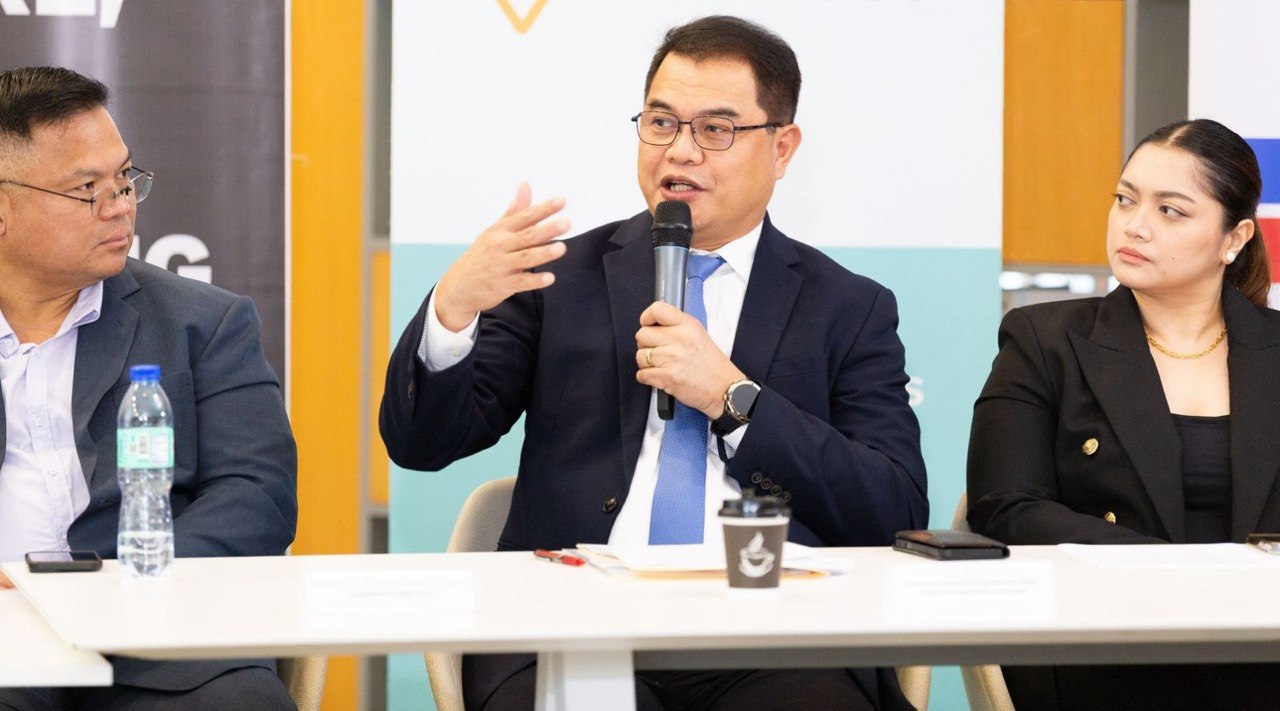
Manila Electric Co. (Meralco) is pushing for electricity distribution to be treated as strategic national infrastructure as rooftop solar, battery storage, and electric vehicles reshape how power is produced, delivered, and consumed.
Meralco executive vice president and chief operating officer Ronnie L. Aperocho said the distribution sector can no longer operate primarily as a “wires and metering” business as the energy system becomes more decentralized and digital.
“We need to prepare for the transition from the traditional utility model into the distribution system operator model,” Aperocho said at The Manila Times Editorial Boardroom Roundtable marking 25 years of the Electric Power Industry Reform Act (EPIRA).
He said distribution utilities need to modernize and digitalize their networks and deploy smart-grid technologies to manage increasingly complex power flows and growing distributed energy resources.
The shift could require changes in both regulation and investment priorities as utilities accommodate two-way electricity flows from customer-owned generation and new loads such as electric vehicles.
Aperocho also called for a broader definition of affordable power, arguing that electricity policy should move beyond the pursuit of the “least cost” supply toward energy that is least cost while also reliable, resilient, and sustainable.
“Affordability cannot come at the expense of reliability,” he said.
The discussion brought together energy industry leaders, including Energy Regulatory Commission chair Francis Saturnino Juan, Philippine Rural Electric Cooperatives Association executive director Janeene Depay-Colingan, Philippine Electricity Market Corp. president Elvin Hayes Nidea, and Partners for Affordable and Reliable Energy chief advocate officer Nicolas Satur Jr.
The debate over EPIRA’s next chapter highlights a growing policy challenge: keeping electricity affordable while investing enough in a grid capable of handling a rapidly changing energy landscape.