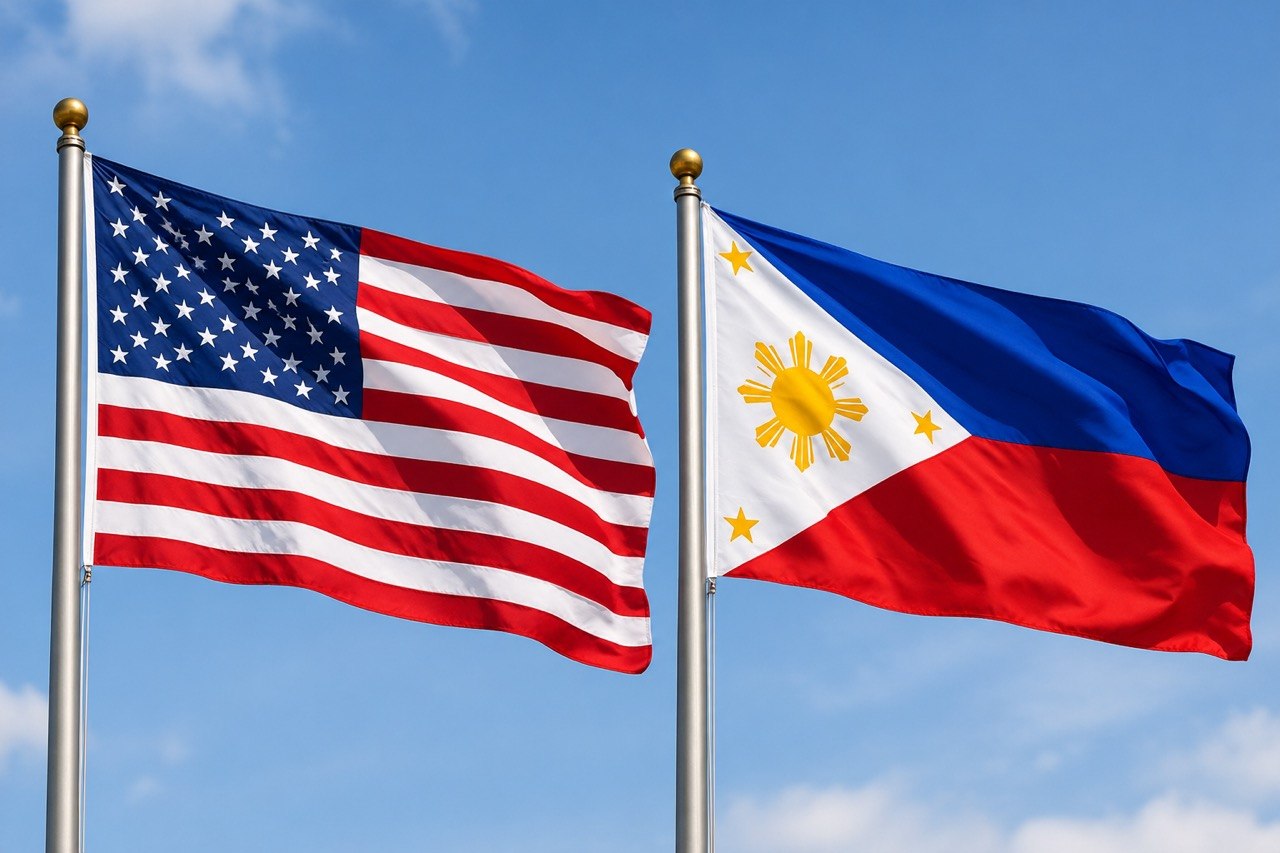
The Philippines is looking to the US for a positive response to measures Manila has taken to address forced labor concerns, as bilateral talks continue over additional tariffs on Philippine exports.
Department of Trade and Industry Undersecretary Allan Gepty said Manila has responded to Washington’s concerns and is now awaiting an assessment by the Office of the US Trade Representative (USTR).
“We are hopeful that they will positively respond because we have been very cooperative,” Gepty said.
The Philippines has issued a joint administrative order involving the DTI, Department of Finance and Department of Labor and Employment to address concerns over imports linked to forced labor.
“We have addressed the concerns of the United States,” Gepty said, citing the order as a measure targeting the importation of products produced using forced labor.
The US in July imposed a 12.5-percent additional tariff on Philippine goods, subject to product exemptions, after identifying the Philippines among economies that had failed to impose and effectively enforce a prohibition on imports produced with forced labor.
The measure, which took effect July 24, covered 60 economies. Trading partners that had adopted or committed to adopt forced-labor import restrictions faced lower additional duties of 10 percent.
For Philippine exporters, the USTR’s assessment could determine whether Manila’s corrective measures are sufficient to address Washington’s concerns and potentially ease the trade pressure arising from the additional tariff.
Gepty said the DTI has been “constantly engaging” with US counterparts as negotiations continue.
“We are very open in engaging with them,” he said.
The Philippines is pursuing the issue largely on a bilateral track, with Gepty saying Section 301-related concerns are expected to remain separate from broader ASEAN-US economic discussions.
That is because US trade measures apply to ASEAN economies individually rather than to the regional bloc as a whole, he said.
ASEAN-US consultations are instead expected to focus on broader regional economic cooperation and trade issues.
For Manila, the immediate priority is securing a favorable assessment of the steps it has taken while keeping negotiations with Washington moving.
The outcome matters to Philippine exporters because the US is a major market for locally produced goods, making tariff treatment an important consideration for trade and investment decisions.