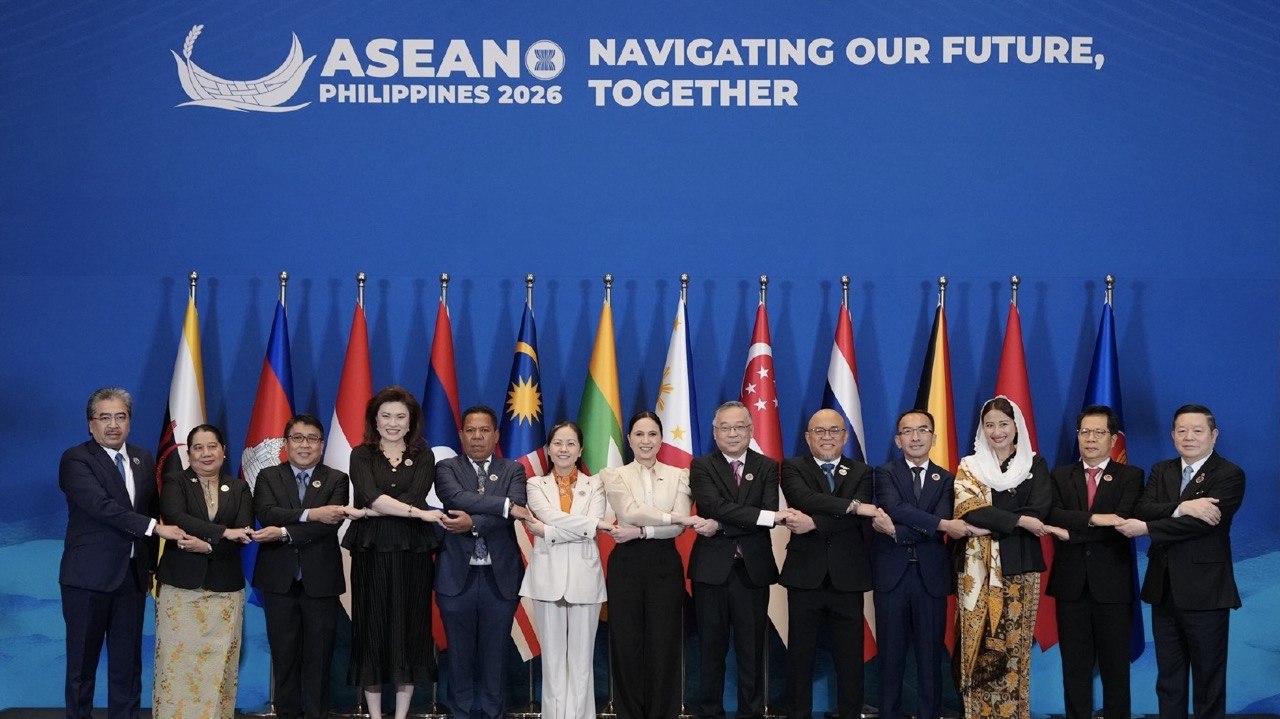
The Philippines is using its 2026 ASEAN chairship to push a more predictable regional trading environment, with lower trade barriers, faster customs processes and deeper digital integration emerging as priorities for businesses across Southeast Asia.
ASEAN economic ministers have welcomed the provisional application of the Second Protocol amending the ASEAN Trade in Goods Agreement (ATIGA), setting the stage for its early entry into force within 2026. The upgraded agreement is intended to make cross-border goods trade more transparent and efficient, with potential benefits for exporters, manufacturers and micro, small and medium enterprises.
The push comes as ASEAN businesses increasingly use regional trade preferences. ATIGA utilization rose 11 percentage points to 62.7 percent in 2025, from 51.7 percent a year earlier. That increase suggests growing use of the bloc’s preferential trading framework, although the figures also indicate substantial room for wider adoption.
Digitalization is another part of the effort. Electronic trade-document exchanges through the ASEAN Single Window increased 12.4 percent in 2025, while ASEAN said trade-facilitation performance has improved by about 30 percent since the World Trade Organization’s Trade Facilitation Agreement took effect in 2017.
For Philippine companies, the changes could reduce administrative friction when selling into neighboring markets. However, the practical impact will depend on implementation, customs coordination and how easily smaller firms can use the new systems and rules.
Beyond goods trade, ASEAN ministers are advancing initiatives covering semiconductors, strategic trade management and digital commerce. The bloc is also pursuing upgrades to trade arrangements with China, India and South Korea, while targeting the signing of the ASEAN Digital Economy Framework Agreement in November.
The broader economic stakes are significant. ASEAN merchandise trade reached USD4.4 trillion in 2025, up 13.7 percent, while foreign direct investment rose 10.1 percent to USD245.7 billion. The Philippines’ regional agenda therefore comes as ASEAN seeks to make integration more practical for businesses while strengthening supply-chain resilience.