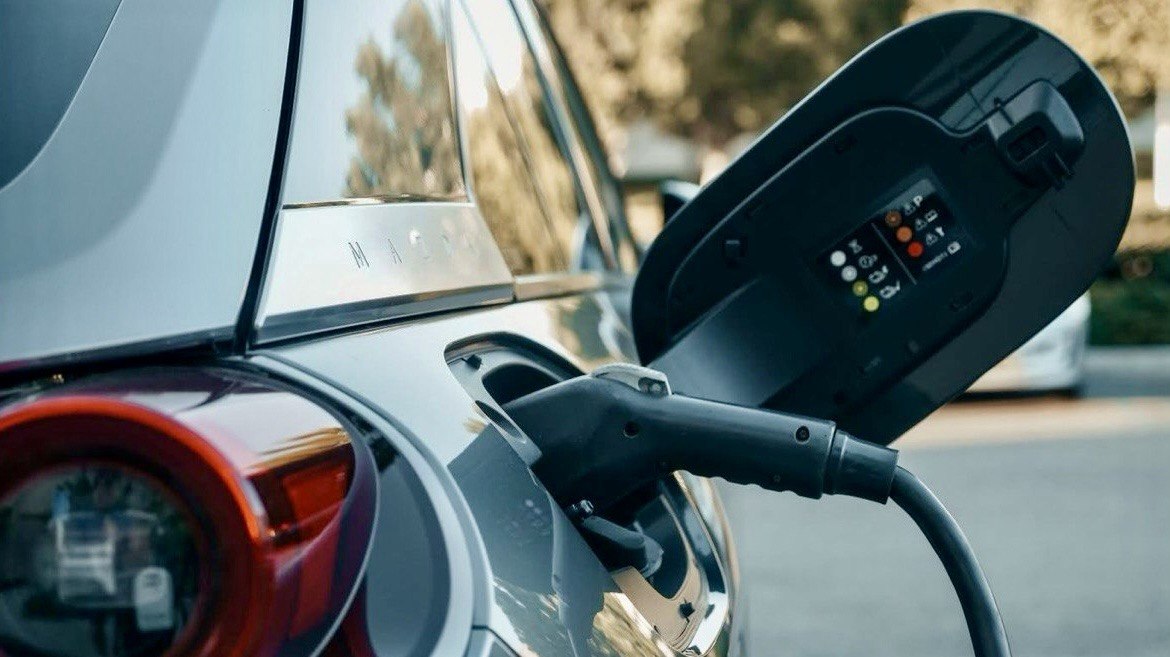
Electrified vehicles could account for as much as 30 percent of Philippine automotive sales by yearend, underscoring the rapid shift toward alternative powertrains even as the broader vehicle market is expected to contract.
Chamber of Automotive Manufacturers of the Philippines Inc. (CAMPI) President Jose Maria Atienza said electrified vehicles—including hybrids, plug-in hybrids and battery electric vehicles (BEVs)—could capture 28 percent to 30 percent of total sales by December.
“It can be around 28 to 30 percent by yearend,” Atienza said.
The segment has already posted stronger monthly penetration. Electrified vehicles accounted for about 35 percent of sales in August, up from roughly 28 percent to 30 percent in June and July.
“It could settle, I guess, 28 to 30 percent by yearend. It’s good progress,” Atienza said.
He attributed the gains partly to the arrival of more brands and models, giving consumers a broader range of electrified vehicles at different price points.
BEV sales also strengthened in July and August, while the market saw a more balanced mix between conventional hybrids and plug-in hybrids, he said.
Still, Atienza cautioned that the eventual market mix will depend on vehicle availability, pricing and consumer preferences—factors that could influence how quickly electrification gains translate into sustained sales growth.
Charging infrastructure is also expanding, with companies and automotive dealerships continuing to invest in charging facilities as BEV adoption increases.
“It’s increasing, it’s improving, so we’re happy to see that,” Atienza said.
The rise of electrified vehicles comes against a softer overall market outlook. CAMPI expects total vehicle sales to fall by 2 percent to 5 percent this year, following weaker August results partly due to fewer working days.
The decline follows stronger sales in June and July, highlighting a market where electrified vehicles are gaining share even as overall demand remains under pressure.