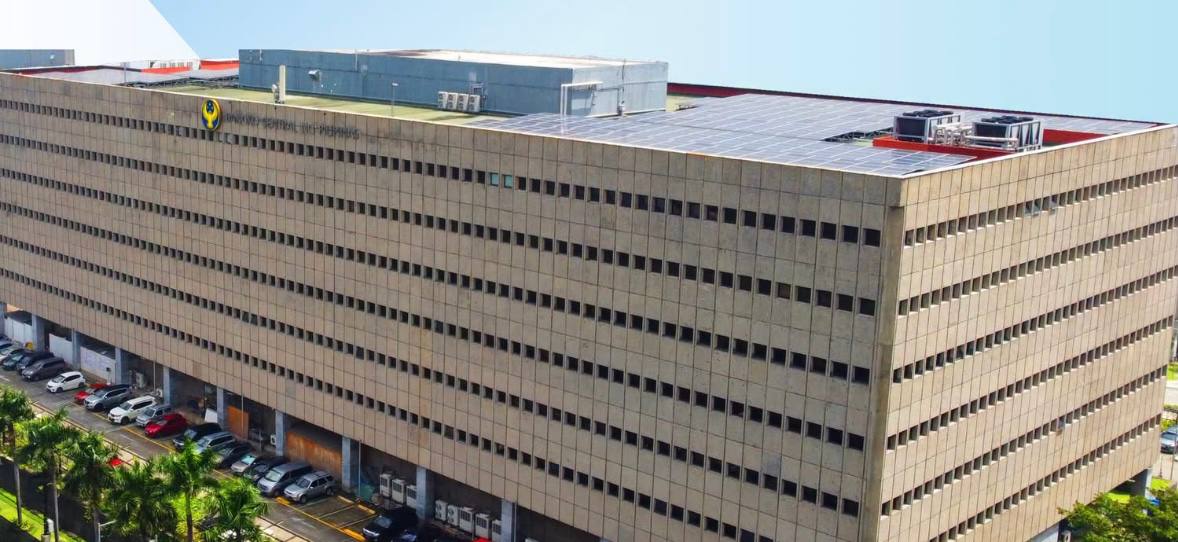
The Bangko Sentral ng Pilipinas expects headline inflation to settle between 6.4 percent and 7.4 percent for September 2026, pointing to persistent cost pressures that will continue to stretch consumer budgets and squeeze corporate margins.
Higher price tags on fresh agricultural produce like vegetables, fish, fruits, and rice are driving the expected uptick, largely triggered by recent domestic weather disruptions. Adding to these upward pressures are rising domestic fuel costs and a weaker Philippine peso, which makes imported commodities and raw materials more expensive. While lower meat prices and reduced electricity rates offer a minor reprieve, they are unlikely to fully cushion the broader inflationary impact.
For Philippine households, the forecast signals ongoing strain on daily living costs, particularly for basic staples and transportation. Higher expected inflation means family budgets will need to stretch further, reducing room for non-essential spending. For businesses, the combination of elevated raw material prices, potential wage pressures, and higher transport overhead will keep operating costs high. Companies may face tough decisions between absorbing these costs and sacrificing profit margins or passing them on to already price-sensitive consumers.
This projected spike follows a brief moderation in consumer prices, as annual inflation stood at 6.1 percent in August 2026, slightly down from 6.2 percent in July. While slower price growth in staple foods and utilities helped ease the headline rate during August, a sharp rise in transport inflation to 13.5 percent and a 0.6 percent month-on-month jump in consumer prices revealed underlying price volatility. Year-to-date inflation through August averaged 5.2 percent, remaining well above the central bank’s target range of 2.0 percent to 4.0 percent.
The central bank emphasized that it remains vigilant and data-driven as it monitors incoming economic indicators, particularly keeping a close eye on global developments in the Middle East and local weather impacts to chart its next policy moves.