The Philippines is already experiencing a strong El Niño, but its impact could worsen in early 2027 as rainfall declines across more provinces, prompting the government to accelerate preparations for possible drought, water shortages and agricultural losses.
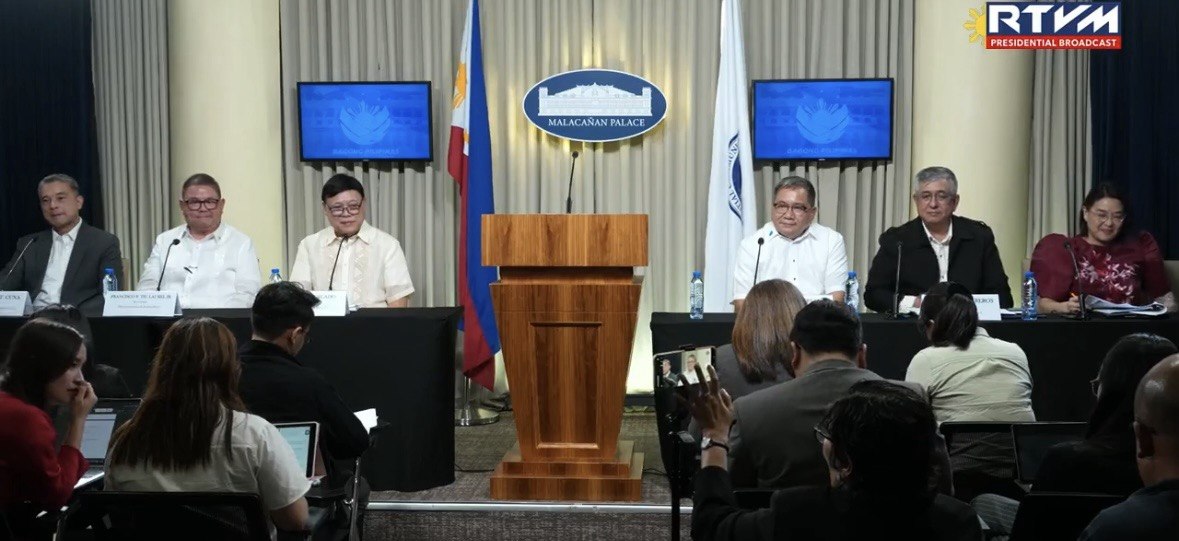
Science and Technology Secretary Renato Solidum said El Niño emerged in August, with strong conditions expected from December to February and its overall effects likely to persist through the first half of 2027.
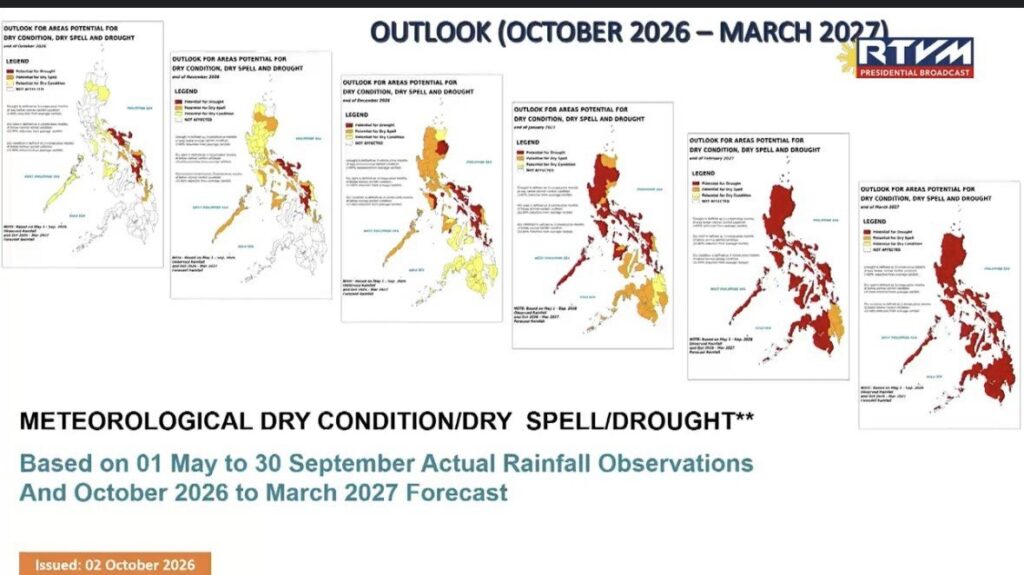
By the end of March, all provinces could experience drought conditions based on rainfall projections, Solidum said. He stressed, however, that meteorological drought does not automatically mean a water crisis, as the severity of shortages will depend on how existing supplies are managed and conserved.
Environment Secretary Juan Miguel Cuna said the government will revive directives requiring establishments such as golf courses to use recycled water and is considering stricter conservation measures for government agencies.
Cuna urged households to cut non-essential water use, including car washing and swimming pools, practice rainwater harvesting and report leaks. For Metro Manila, authorities are preparing tankers and water bladders for deployment should shortages occur.
Agriculture Secretary Francisco Tiu Laurel Jr. said the DA will conduct cloud seeding and intensify seed and fertilizer support in areas where water remains available.
The government is maintaining a 75-day rice inventory, while the DA is filling National Food Authority warehouses and deploying solar pumps, irrigation systems and aerators. Laurel said the DA has requested ₱45 billion for several interventions, including El Niño measures.
Health Secretary Edwin Mercado warned of heat stroke and dehydration and advised people to limit sun exposure, take breaks when working outdoors and remain hydrated.
The DOH is also monitoring dengue, typhoid and cholera and preparing hospitals for possible power disruptions during extreme conditions.