Manila Electric Co., the country’s largest power distributor by sales with a renewable energy portfolio, is betting that the Philippines’ energy transition will require more than a rapid shift to renewables—it will demand a careful balancing act between decarbonization, power reliability, and affordability.
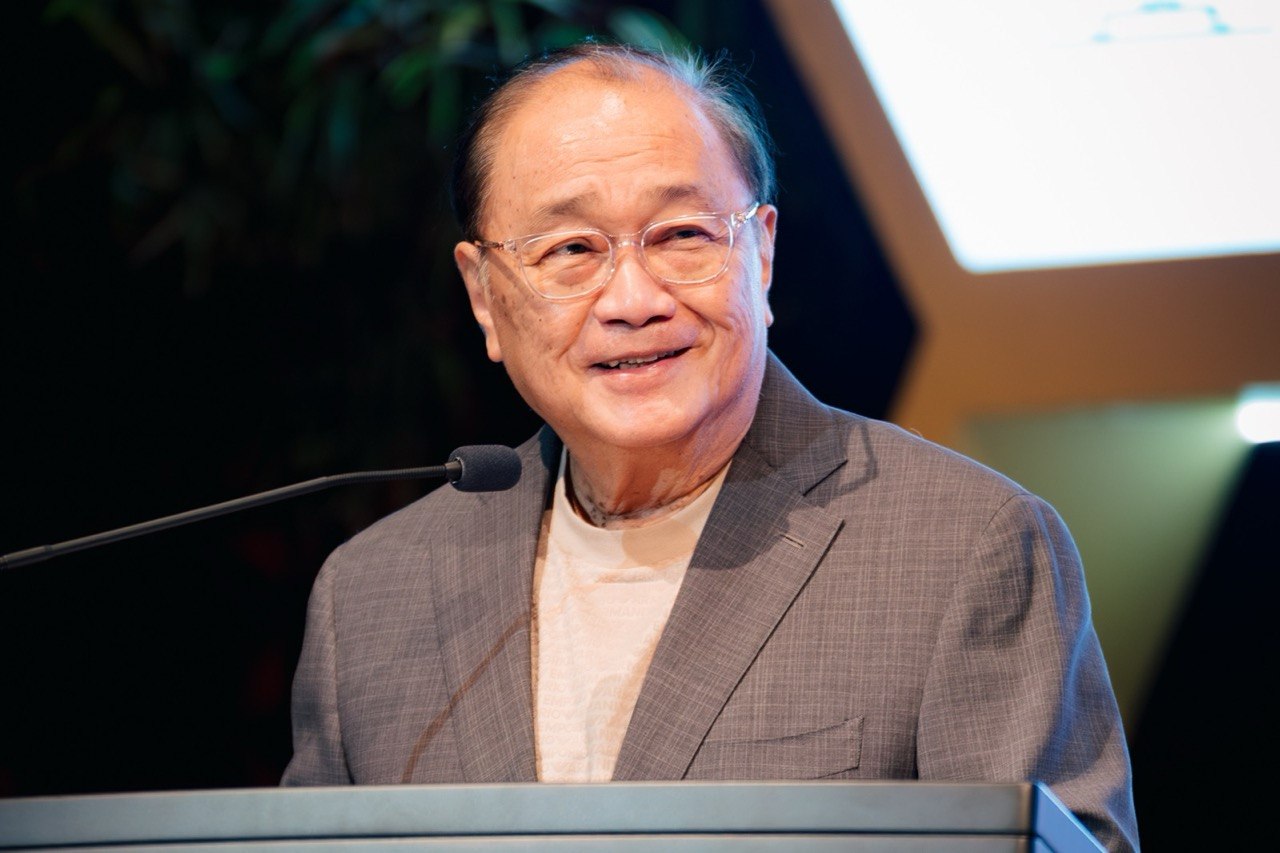
Meralco, led by Manuel V. Pangilinan, brought that message to the 2026 United Nations Private Sector Forum in New York, where about 100 global business leaders, investors, government officials, and UN principals met to discuss the world’s most pressing development challenges.
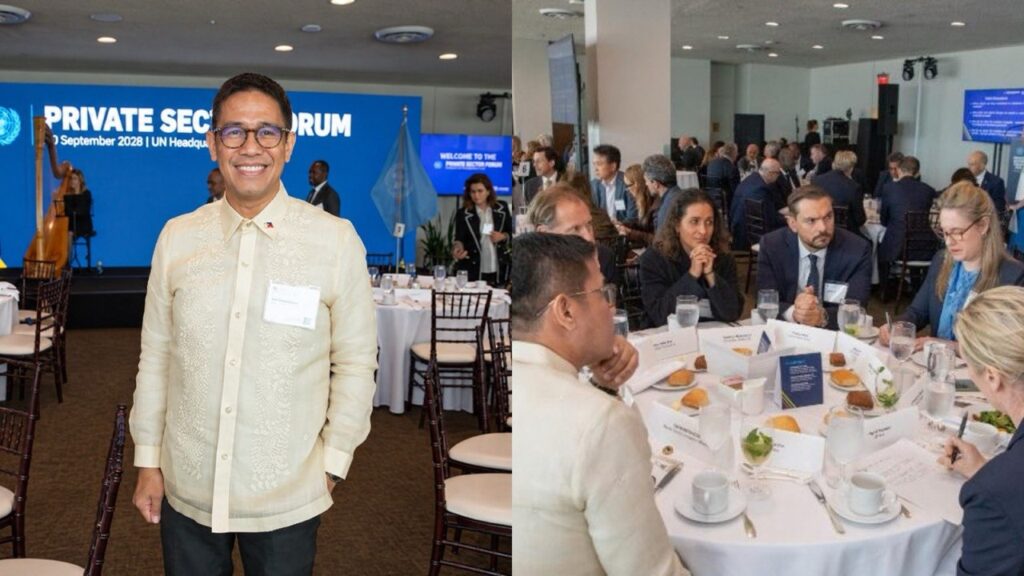
Chief Sustainability Officer Raymond B. Ravelo, the lone Philippine delegate, used the September 20 forum to present Meralco’s Long-term Sustainability Strategy, a 30-year roadmap extending to 2050.
The strategy reflects a dilemma facing emerging economies: decarbonization is accelerating, but electricity demand, energy security, and affordability cannot be put on hold.
Geopolitical tensions and supply-chain disruptions have exposed the risks of fossil-fuel dependence, while cheaper renewable technologies are creating new opportunities. Still, scaling clean power requires capital, infrastructure, supportive policy, and technologies capable of delivering reliable electricity around the clock.
Meralco’s approach therefore does not envision an immediate exit from thermal generation. Instead, it calls for renewables to scale now while keeping emerging technologies—including nuclear, hydrogen, and carbon capture—on the table as they become commercially viable.
“For the Philippine energy transition to be just and orderly, it cannot rely on a single solution,” Ravelo said.
The company is also framing the transition as an economic issue, not simply a climate imperative. Under its “Powering the Good Life” sustainability agenda, Meralco argues that cleaner energy should support broader social and economic gains.
MTerra Solar, its large-scale solar and battery-storage project, is already delivering 600 megawatts of clean power to the grid while creating livelihood opportunities in host communities.
For Meralco, the bigger test is whether the energy transition can deliver all three at once: cleaner power, dependable supply, and electricity that households and businesses can afford.