The Department of Public Works and Highways (DPWH) is seeking to overhaul infrastructure budgeting by ensuring that ongoing projects receive funding until completion, a move aimed at curbing years-long delays and preventing unfinished public works from being stranded by shifting government priorities.
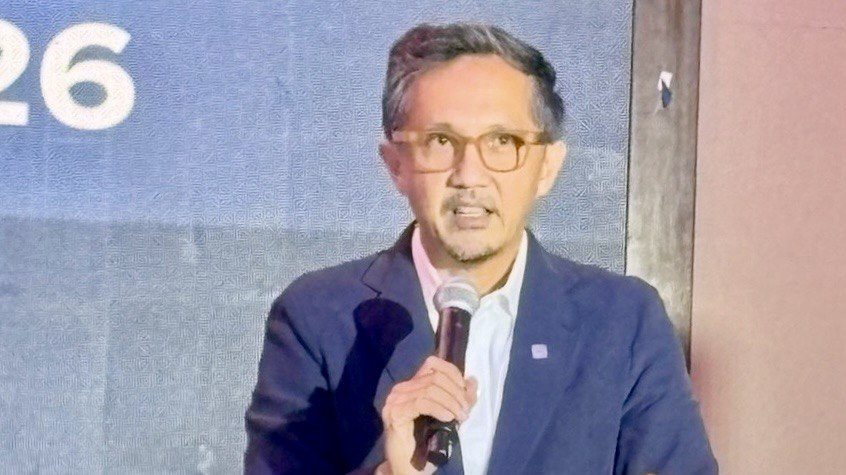
DPWH Secretary Vince Dizon outlined the proposed reform at an Economic Journalists Association of the Philippines (EJAP) forum, saying projects requiring two or three years to build should have corresponding multi-year funding commitments.
“As long as it’s ongoing, there will be an automatic appropriation,” Dizon said, describing a departure from the practice of launching projects without securing sufficient funds to finish them.
The proposal comes as the agency manages between 25,000 and 30,000 projects annually, spanning roads, bridges and flood control infrastructure. Ensuring continuity of funding could help reduce disruptions, although the reform’s impact will depend on how appropriations are structured and implemented within the government’s budget process.
Dizon also said DPWH regional and district offices would be expected to complete existing projects before proposing new ones, shifting the emphasis from project launches to delivery.
He cited the Udalo Bridge in Mindoro, which remained unfinished for seven years before being completed within six months following his intervention. The San Agustin Bridge in Pampanga, stalled for eight years, is targeted for completion in December.
“If you have a start, finish it first. And finish it quickly,” Dizon said.
The proposed policy seeks to address the fiscal and public-service costs of prolonged construction, when communities wait for infrastructure intended to improve mobility, connectivity and flood protection. However, a funding guarantee alone may not resolve delays caused by procurement problems, right-of-way disputes, contractor performance or implementation bottlenecks.
Dizon said the reforms should continue beyond the current administration, institutionalizing a system in which projects are completed on schedule rather than left as unfinished government investments. Their durability will depend on formal budget rules, consistent implementation and oversight across succeeding administrations.