More than 15 automotive brands are showcasing electric vehicles (EVs) at the 14th Philippine Electric Vehicle Summit, underscoring growing competition in the local market as rising global oil prices sharpen the economic case for alternatives to imported fuel.
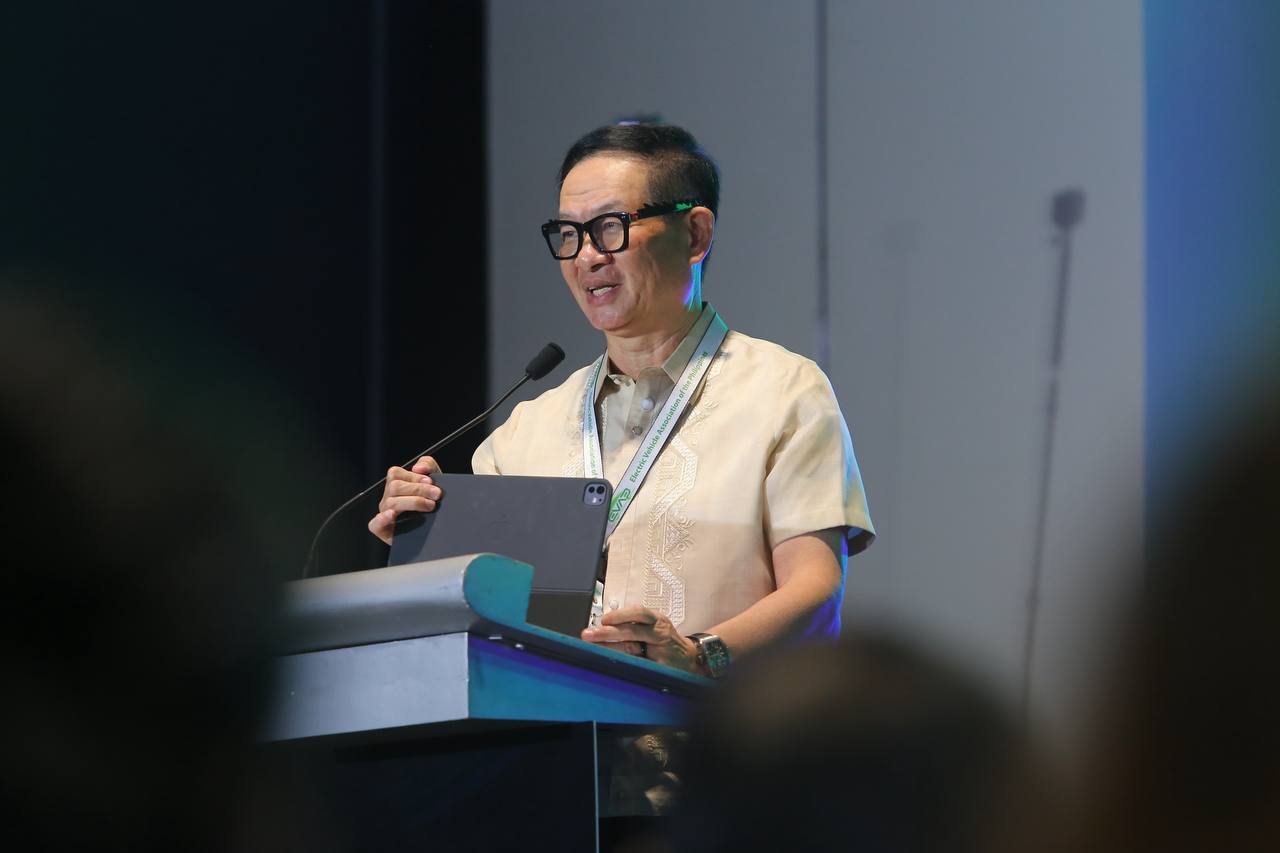
Electric Vehicle Association of the Philippines (EVAP) President Willy Tee Ten said the expanding range of brands and models could widen consumer choice, intensify price competition and make electric mobility more accessible to Filipino households and businesses.
“More brands mean more choices, more competitive prices, and more technologies available to every Filipino that will best fit their budget and lifestyle,” Tee Ten said at Thursday’s opening of the summit at the SMX Convention Center in Pasay City.
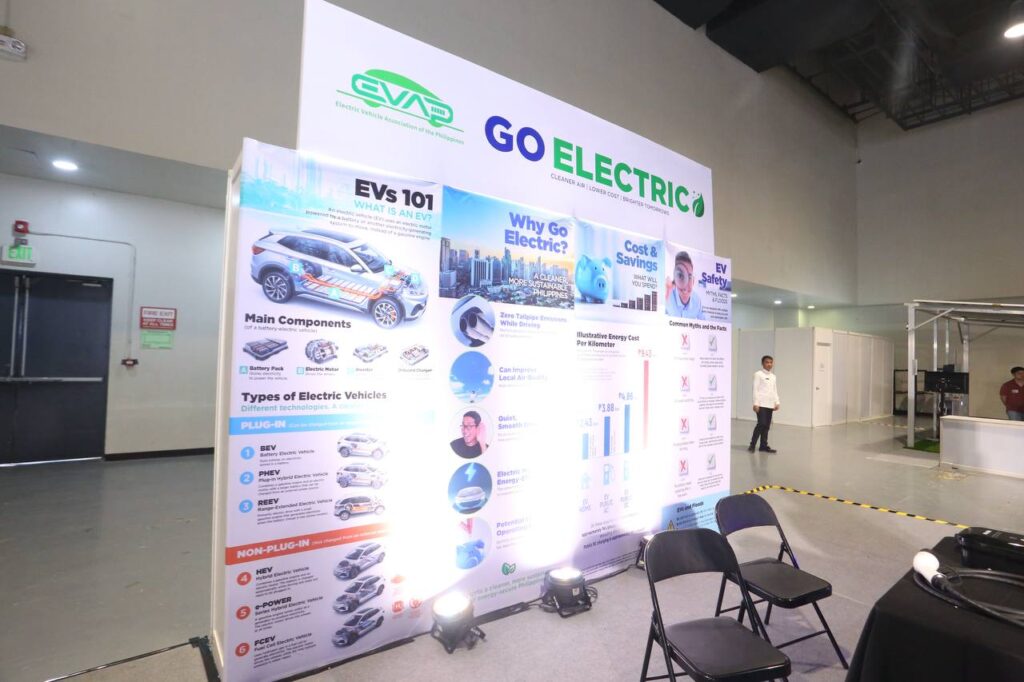
Participating brands include BYD, Toyota, Nissan, Kia, MG, Geely, Zeekr, Deepal, MINI, Lotus, Changan, AVATR, Dongfeng, Forland, NWOW and NXT. Their displays span electric cars, sport utility vehicles, commercial vehicles and two-wheelers, reflecting the market’s broadening product mix.
The shift comes as oil price volatility exposes the Philippines’ vulnerability to external supply disruptions. Tee Ten said higher fuel costs weigh on public utility vehicle drivers, logistics operators, small businesses and households, linking electrification to both economic resilience and national security.
“Every time global oil prices increase, our jeepney drivers, our logistics sector, small business owners, and every Filipino family suffers,” he said. “This is not just an energy issue—this is an economic and national security issue.”
Tee Ten described EVs as “no longer an alternative, but an imperative,” as adoption gains ground despite weakness in the wider automotive market.
Electrified vehicle sales rose 136.4% to 38,286 units from January to July 2026, even as overall automotive sales fell 10.2% over the same period. The figures point to divergent trends, although sustained growth will depend on affordability, consumer confidence and the availability of charging facilities.
Tee Ten said charging infrastructure was expanding, helping address a longstanding obstacle to adoption.
“The ‘chicken and egg’ problem is now being solved because both vehicles and chargers are here,” he said.
Whether rising competition translates into mass-market adoption will depend on how quickly prices, charging access and practical ownership concerns align with consumer needs.