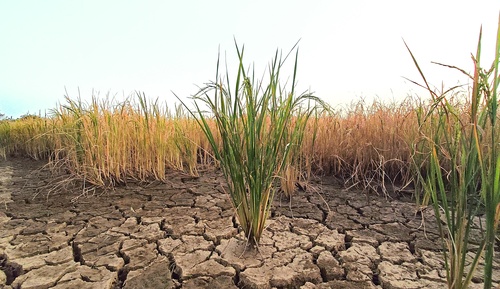
The Department of Agriculture is ramping up safeguards to protect the country’s rice sector as El Niño intensifies, drawing on years of improvements and hard-earned lessons to keep food supplies steady and prices stable. Agriculture Secretary Francisco P. Tiu Laurel Jr. stressed the nation is far better prepared now than in past episodes, with better seeds, wider irrigation, sharper weather tracking, and more flexible planting schedules all in place to help farmers weather prolonged dry spells.
Official data shows third-quarter 2026 palay output hit 3.08 million metric tons, down 18% from a year earlier, a decline officials say was already expected and not caused by El Niño alone. Undersecretary Christopher Morales explained higher fertilizer and fuel costs, reduced planting areas, Habagat rains, and farmers’ caution over uncertain returns all contributed, noting the most severe El Niño impacts are only expected in the first half of 2027 during the dry cropping season. Full-year production may dip by roughly 1 million MT compared to 2025, still well short of the 1.9 million MT drop seen during the severe 1997–1998 event.
Policy efforts center on making water accessible through solar-powered systems, rolling out drought-resistant rice varieties, updating planting guides based on real-time conditions, and sustaining income support through the National Food Authority’s buying program. Additional funding is being lined up to keep interventions on track, with the core goal of helping farmers stay productive, maintaining stable rice supplies, and avoiding sharp price swings even as dry conditions set in.