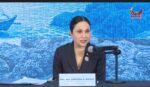
The Philippines will seek to address the 12.5-percent additional US tariffs on Philippine goods imposed under a forced-labor-related trade investigation during the November 18 meeting between Presidents Ferdinand Marcos Jr. and Donald Trump, Trade Secretary Cristina Roque said.
The tariffs, imposed under Section 301 of the US Trade Act of 1974, took effect on July 24 and cover Philippine-origin products generally, subject to specified exemptions. The measure stems from Washington’s finding that the Philippines failed to prohibit and effectively enforce a ban on imports of goods produced with forced labor.
Roque said the US government had received a joint administrative order (JAO) issued by Manila in October to address forced labor and child labor concerns.
“They have already received the JAO and we will be discussing actually on November 18 all of this,” she told reporters following the 28th ASEAN Economic Community Council meeting.
The administrative order is part of the government’s response to Washington’s concerns, although the Philippines remains subject to the 12.5-percent tariff rate imposed on economies that have not met the US criteria for a forced-labor import prohibition.
Roque maintained that the Philippines does not tolerate forced labor or child labor but declined to say whether Manila would seek a reduction or removal of the additional duties, or disclose its negotiating position.
“I cannot disclose it now. So it’s best for us to wait for November 18,” she said.
She was similarly guarded about possible trade agreements or other initiatives that could emerge from Trump’s visit.
Asked what would constitute a meaningful outcome, Roque said it was premature to discuss specifics.
“It’s hard for me to give out details at this time. It’s best for us to wait for the meeting,” she said.
Roque assured reporters that the government would disclose the discussions and their outcomes after the bilateral meeting.