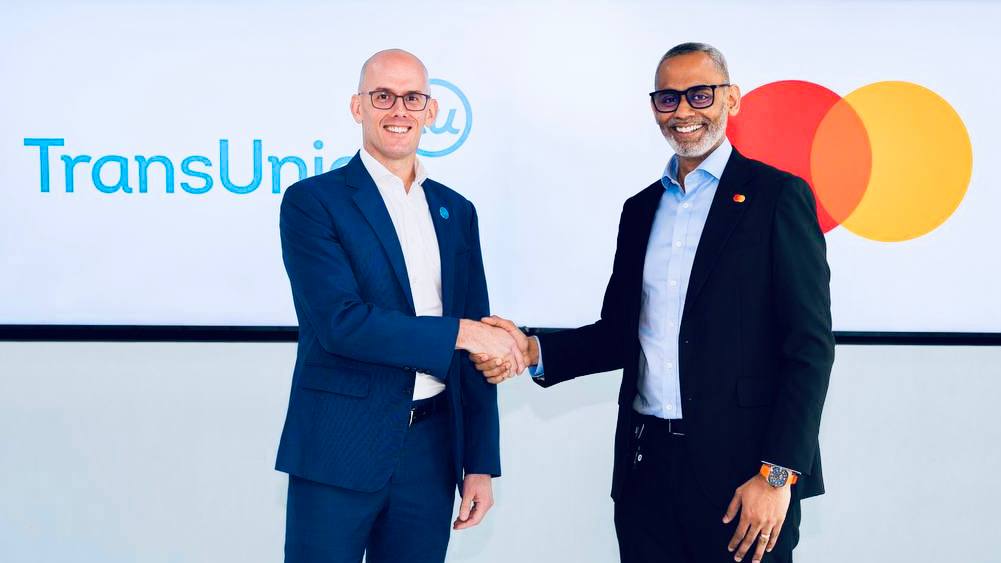
Financial institutions in the Philippines may soon gain deeper insights into consumer financial behavior after TransUnion Philippines partnered with Mastercard to combine data and analytics capabilities aimed at widening access to credit.
The collaboration follows a successful pilot program and seeks to help lenders better evaluate borrowers, particularly Filipinos with limited or no credit history. This group has long been difficult for banks and other financial service providers to assess using traditional credit data.
The initiative brings together TransUnion’s credit, identity and alternative data insights with Mastercard’s aggregated transaction intelligence. By merging these data sources, lenders can build a more detailed view of a consumer’s financial activity, including spending patterns that may indicate the ability to manage credit responsibly.
Banks and lenders typically rely heavily on credit bureau records to assess loan applicants. However, many consumers in emerging markets remain “thin file” or “credit invisible,” meaning they have little formal borrowing history that can be used in conventional scoring models.
With additional behavioral insights drawn from transaction activity, financial institutions can identify borrowers who may be creditworthy even if they have minimal credit records.
The approach also allows lenders to better distinguish between applicants with similar profiles but different financial habits.
Industry observers say this type of data integration could also streamline the loan review process.
With clearer insights into consumer financial patterns, lenders may be able to reduce friction in approvals and design financial products that better match customers’ spending behavior.
“This collaboration builds on TransUnion’s strengths in alternative data and analytics,” said Peter Faulhaber, president and chief executive officer of TransUnion Philippines.
Faulhaber said enriching credit insights with Mastercard’s behavioral data will help financial institutions make more confident lending decisions while supporting broader financial inclusion among Filipinos who have historically lacked access to formal credit.