Industry leaders are pressing the government to roll out stronger fiscal incentives and establish dedicated industrial zones to accelerate the Philippines’ shift into value-added nickel processing and close the gap with regional competitors.
Martin Antonio Zamora, a board director of the Philippine Nickel Industry Association, said the country must at least match Indonesia’s incentive framework to remain competitive. “That includes lowering taxes, easing permitting, and possibly establishing industrial zones that can take advantage of economies of scale,” he said.
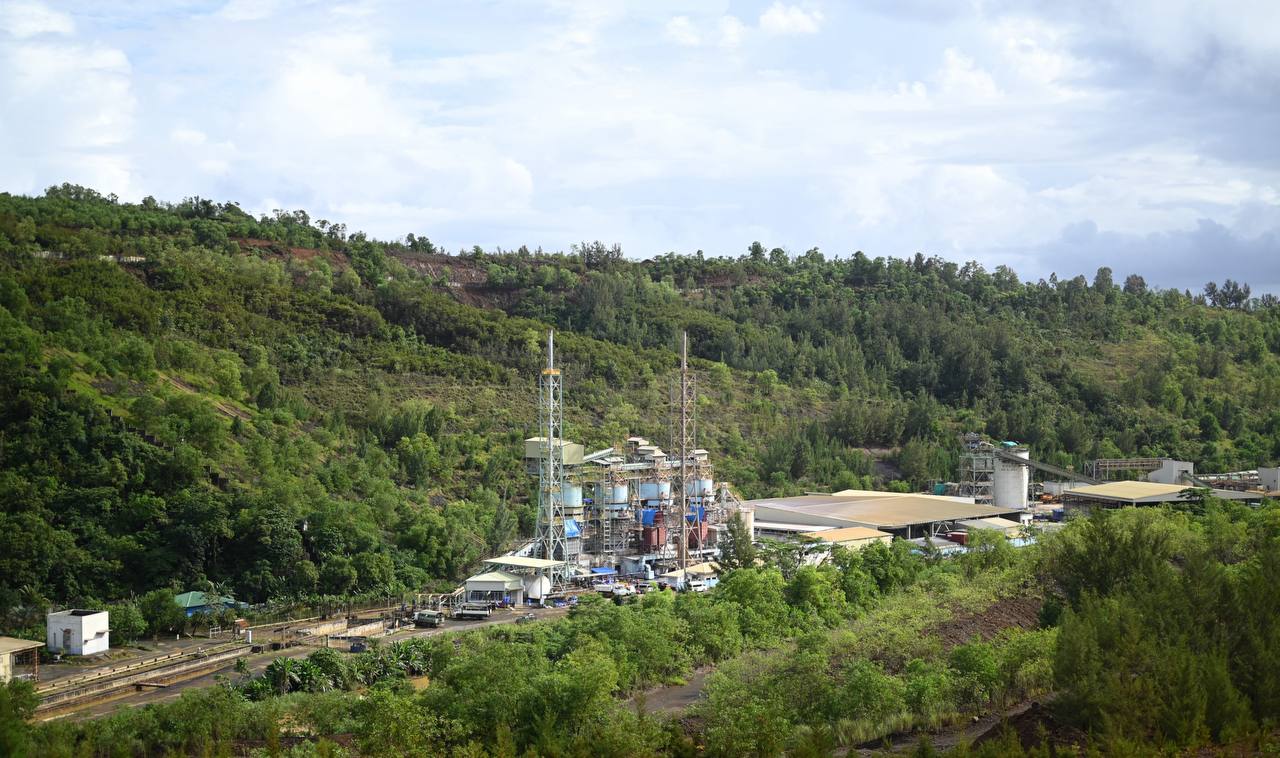
Zamora, who is also president and CEO of Nickel Asia Corporation, noted the firm already operates two high-pressure acid leach (HPAL) plants in Palawan and Surigao.
Despite this, he said the Philippines continues to lag. “From actual experience, we are not competitive vis-à-vis Indonesia,” he said, citing lower ore grades, fragmented deposits, and higher domestic production costs.
Given these structural constraints, Zamora said the country should differentiate itself through stronger governance and environmental, social, and governance (ESG) standards. “If we cannot match the cost advantage, we must offer something more,” he said, adding that stricter environmental compliance could help attract premium markets.
On expanding processing capacity, he underscored the need for scale and faster approvals. “Streamlining permitting is critical. To build larger plants, we need access to bigger resources and support to open new mining areas,” he said, noting Philippine facilities remain smaller than typical Indonesian operations.
Dante Bravo echoed the call, proposing export-oriented industrial complexes backed by stable incentives. Declaring these as economic zones, he said, would ensure policy stability, reduce regulatory friction, and help unlock investments needed to drive industrialization in the nickel sector.