The Intellectual Property Office of the Philippines is intensifying its campaign against counterfeit goods, broadening enforcement to digital platforms and local communities as it pursues a “zero counterfeit” goal.
Acting Director General Nathaniel Arevalo said the agency is shifting from a “whole-of-government” to a “whole-of-society” strategy, aiming to curb illicit trade through stronger collaboration with the private sector and the public.
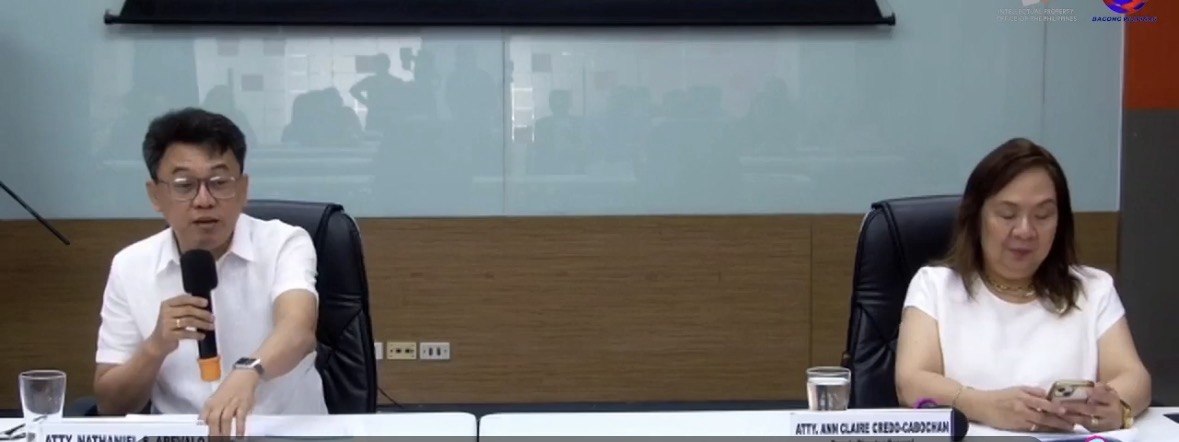
“Even if we cannot eradicate it, at least we will reduce it every year as we pursue our goal of zero counterfeiting,” Arevalo said during a press conference on March 31.
In the first quarter, the Philippine National Police reported seizures of counterfeit goods worth P473 million, a figure expected to increase once data from the Bureau of Customs—historically the largest contributor—is released.
Despite stepped-up enforcement, total seizures in 2025 fell 27 percent to nearly P30 billion. Arevalo said the decline reflects a shift in counterfeit activity toward e-commerce platforms rather than a drop in overall volume.
To address this, IPOPHL is expanding participation in its E-Commerce Memorandum of Understanding (MOU), targeting 200 companies from just 12 at its launch in 2021. The initiative brings together online platforms, brand owners, industry groups, and foreign chambers to strengthen coordination and intellectual property protection in the digital space.
The agency is also drafting the 2026–2030 action plan of the National Committee on Intellectual Property Rights, with enforcement across both physical and online markets as a key priority.
“As the economy shifts online, counterfeiting follows. This is what we are fighting for,” Arevalo said, noting that illicit trade now spans both brick-and-mortar markets and digital channels.
He added that sustained collaboration between government and industry could help the Philippines remain off the Office of the United States Trade Representative watch list, a status the country has maintained for 12 consecutive years.
On the ground, IPOPHL is also taking a localized approach by setting up an intellectual property help desk at Greenhills Shopping Center, a marketplace long associated with counterfeit goods.
Staffed by NCIPR member agencies, the help desk will support enforcement while educating vendors on compliance and the risks of selling counterfeit products.
“The NCIPR Help Desk will not only be a frontline for enforcement; it will also guide tenants on the law and the risks of selling counterfeit goods,” Arevalo said, adding that the initiative aims to steer sellers toward legitimate and sustainable business practices.