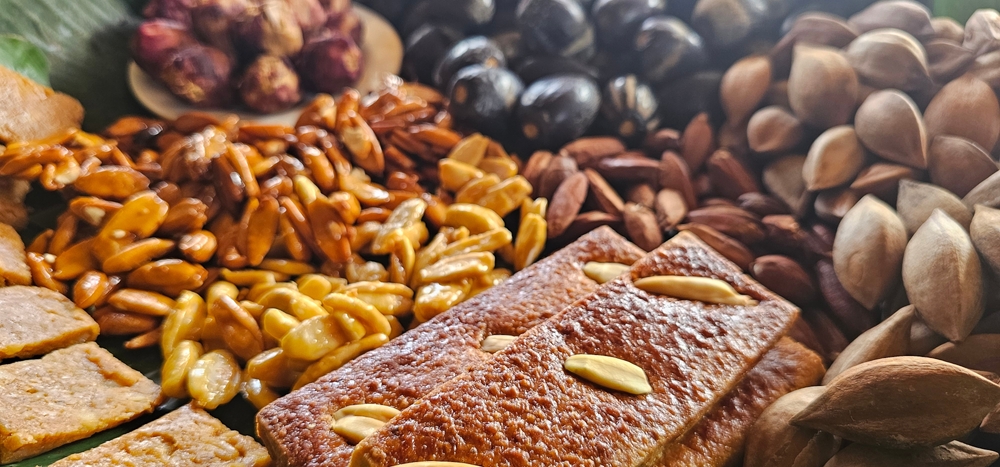
Pili is often known for one thing—a rich, buttery kernel that ends up as a simple snack.
But the fruit from Canarium ovatum, a native of the Bicol Region, is far more dynamic than it first appears. Pili does not just ripen, it transforms. The skin, flesh, and kernel shift in rhythm and purpose as maturity unfolds, like a caterpillar becoming a butterfly, each stage revealing a different strength written into the fruit itself.
That matters in provinces like Sorsogon, Albay, Leyte, and Samar, where the tree thrives in storm prone landscapes and has earned the nickname “tree of hope.” It is also an economic mainstay, with thousands of metric tons produced each year, quietly supporting farmers and small processors who depend on its seasonal rhythm.
New research by Cristopher G. Millena and his team from the Department of Science and Technology and Bicol University, published in the April issue of the Philippine Journal of Science, shows that the fruit is chemically active in ways that depend heavily on timing rather than uniformity.
The study divides pili into three parts, the skin, flesh, and kernel, and tracks how each behaves across maturity stages. Instead of a single peak of usefulness, the fruit shows a shifting pattern of bioactivity, with different parts taking turns to lead.
The flesh performs best when the fruit is still mature, while the skin and kernel steadily increase their antioxidant strength as ripening continues. By full ripeness, it is almost as if each part has its own role in a coordinated handover of chemical activity.
Behind this shifting performance is a rich mix of flavonoids, tannins, plant sterols, carbohydrates, and antioxidants. In simple terms, these compounds help protect cells from oxidative stress that accelerates aging and causes illness such as cancer and diabetes, support steadier energy release, and are associated with heart health and cholesterol regulation.
That combination helps explain why pili is drawing interest beyond food markets, particularly in functional foods and wellness products where natural bioactive ingredients carry commercial weight.
What stands out is how sensitive the fruit is to timing. The same pili can offer different benefits depending on when it is harvested and which part is used.
For farmers, processors, and product developers, that opens a more precise way of thinking about value, from fresh consumption to health focused extracts.
Pili, in effect, is not just ripening. It is continuously recalibrating what it offers.