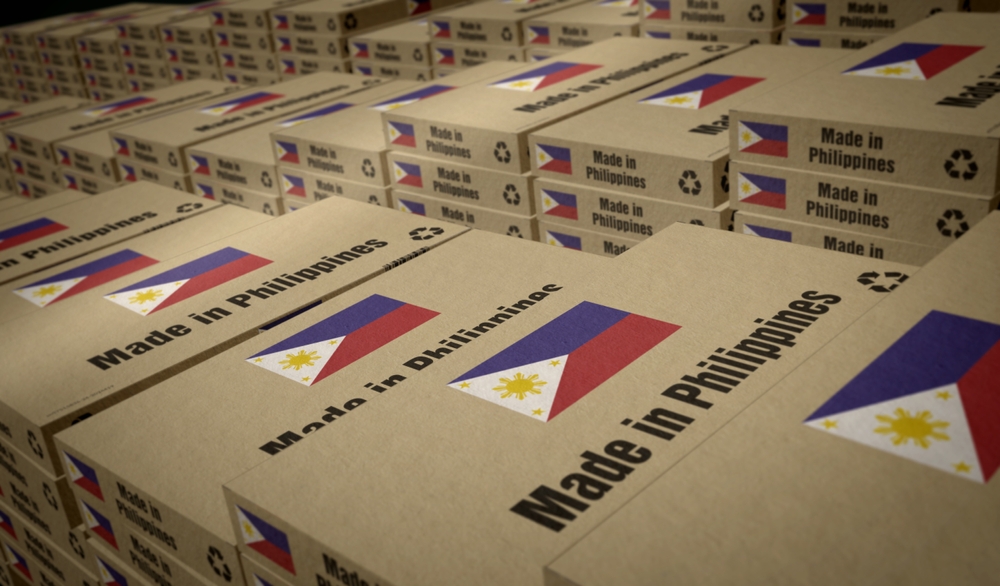
The Department of Trade and Industry (DTI) is urging Philippine exporters to coordinate closely with their US partners to recover duties collected under the US International Emergency Economic Powers Act (IEEPA), as American authorities activate a formal refund mechanism.
The initiative, outlined by the DTI’s Export Marketing Bureau (EMB), is expected to ease financial strain on exporters that absorbed part of the tariff costs during implementation. Recovering these payments could provide a timely boost to liquidity, particularly for firms navigating tight margins and uneven global demand.
According to the EMB, the US Customs and Border Protection has begun processing claims through its Consolidated Administration and Processing of Entries (CAPE) system. Access to the refund process, however, is limited to the US Importer of Record (IOR) or the licensed customs broker that filed the original entry—placing Philippine exporters in a supporting, rather than initiating, role.
EMB Director Bianca Sykimte underscored the need for coordination, noting that US importers are legally recognized as the parties eligible to file claims. This dynamic makes bilateral communication essential, especially where exporters and importers previously agreed to share tariff costs.
The bureau flagged that such cost-sharing arrangements could complicate how refunds are distributed. Exporters are being advised to verify whether IEEPA duties were paid on their shipments and to formalize agreements on how recovered funds will be allocated.
Beyond coordination, exporters can help expedite the process by supplying documentation required by their US counterparts. The EMB added that firms with technical concerns should engage directly with US customs authorities and consult official guidance.
The refund mechanism presents both a financial opportunity and a test of cross-border commercial alignment.