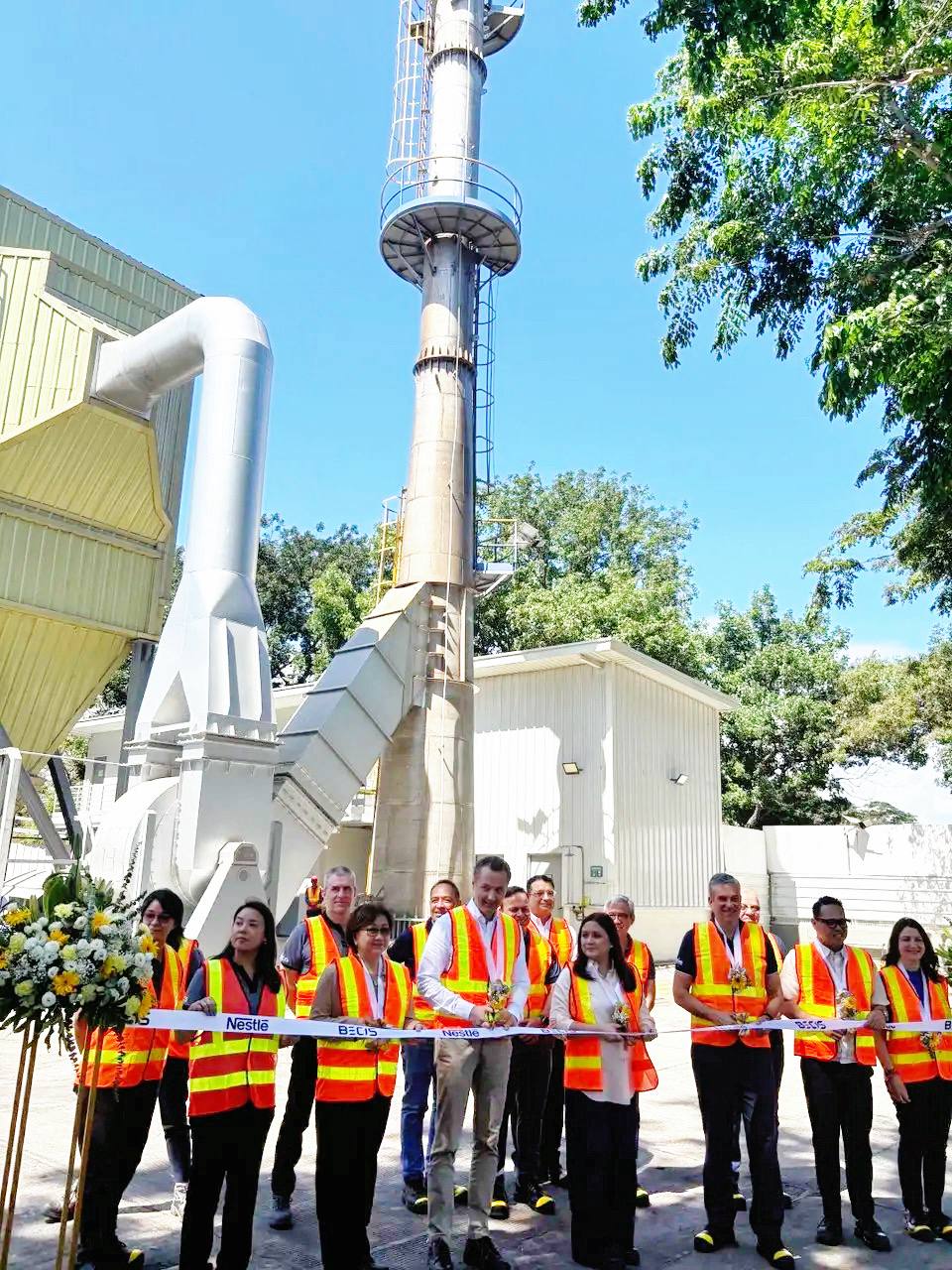
Nestlé Philippines is accelerating its net-zero ambitions with the launch of a biomass boiler facility at its Cabuyao, Laguna dairy plant, reinforcing a strategy that frames sustainability as a competitive lever rather than a compliance obligation.
“For Nestlé Philippines, sustainability is not just an environmental commitment—it is a business imperative. It strengthens our resilience against fuel price volatility and secures our energy independence,” said chairman and CEO Mauricio Alarcón at the facility’s inauguration on Monday.
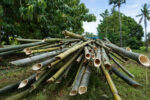
The new system uses locally sourced agricultural waste to power the spray-drying process for milk production—one of the plant’s most energy-intensive stages—replacing liquefied petroleum gas. The transition is expected to lower manufacturing emissions while improving cost stability and reducing reliance on imported fuels.
By turning farm by-products into industrial energy, Nestlé Philippines is also deepening ties with rural supply chains, creating additional income streams for farmers while embedding circular-economy principles into core operations.
Alarcón said the model strengthens business resilience amid tightening global carbon rules and energy market volatility, effectively linking sustainability investments to long-term operational security.
The company noted that all its Philippine factories, offices, and distribution centers already run on renewable electricity sourced from hydro and geothermal providers. It also matches the plastic it introduces into the market with equivalent collection and diversion efforts, and sources 100 percent responsibly produced green coffee—initiatives positioned as part of its broader value-creation strategy.
The move reflects a broader shift in corporate sustainability from reporting-led initiatives to infrastructure-driven decarbonization.
For large manufacturers like Nestlé, energy substitution at the plant level—especially in heat-intensive processes—offers faster and more measurable emissions cuts than offsets or procurement-only strategies, while also insulating operations from fuel price shocks.