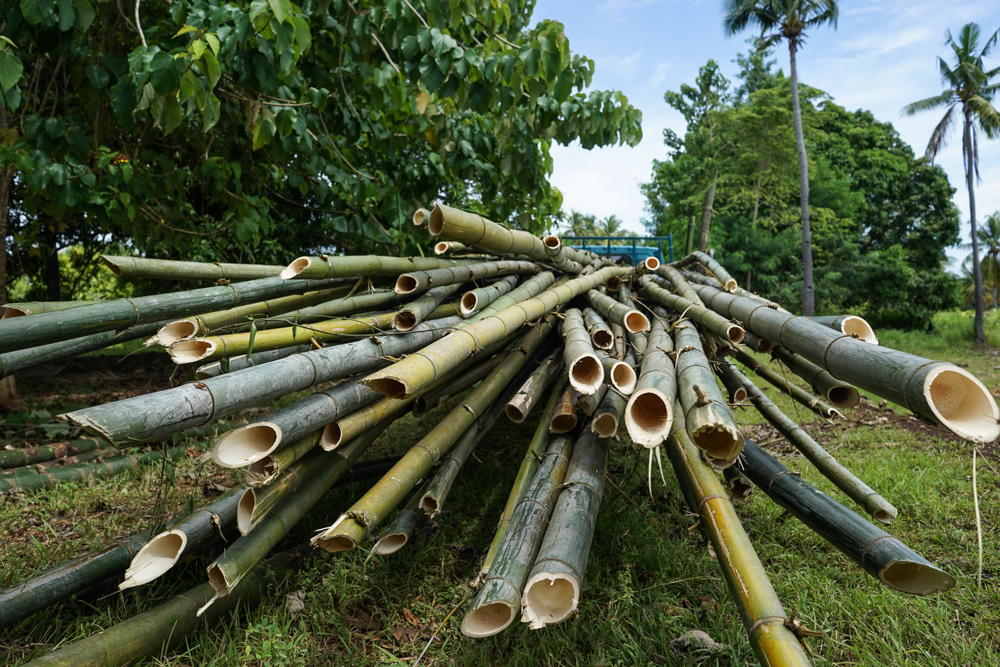
The Department of Agriculture (DA) is aiming to secure between US$300 million and US$500 million in loans next year to develop the country’s bamboo industry, according to spokesperson Arnel De Mesa.
De Mesa said lenders like the Asian Development Bank and other financial institutions have shown interest, citing bamboo’s wide range of uses and strong market potential. Engineered bamboo, in particular, is seen as a high-value product, with China currently leading global exports.
The DA plans to expand bamboo production, especially in Mindanao, with Bukidnon identified as a key area. However, the project is still in its early stages and requires a full feasibility study before it can move forward.
Initial data from the DA shows the global bamboo market was valued at US$72.1 billion in 2023. Despite this, only about 53,000 hectares in the Philippines are currently used for bamboo—less than 3.5 percent of the country’s estimated 1.5 million hectares of potential growing area.
Bamboo is used in industries such as furniture, construction, textiles, food, packaging, paper, biomass, and carbon credits.
Meanwhile, the Asian Development Bank has approved a study grant to explore building the Philippines’ first urea fertilizer manufacturing plant. The feasibility study, worth at least US$1 million, is expected to begin soon, with a target completion of the plant before the end of 2027 if approved.
The DA said the fertilizer project may be pursued through a public-private partnership, with involvement from the Department of Energy and the Department of Environment and Natural Resources.