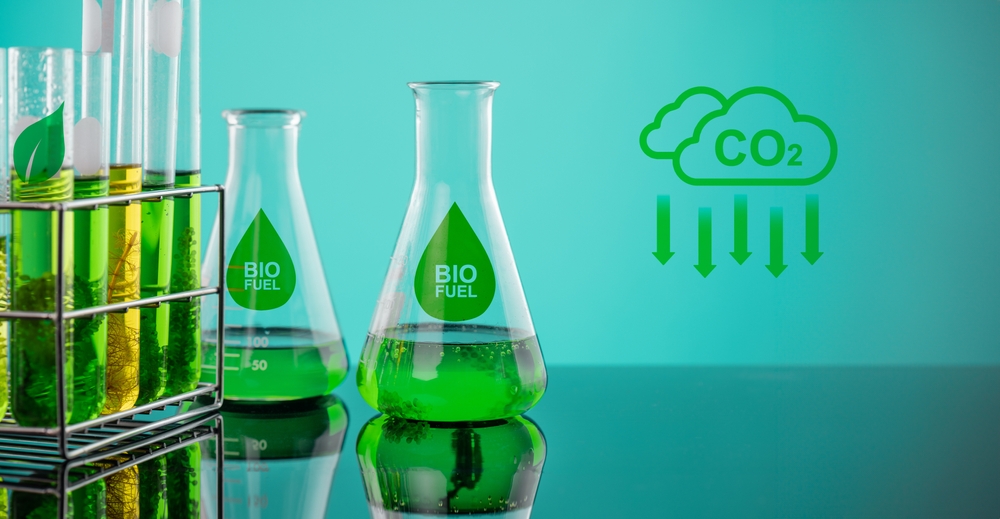
A new study is sharpening the case for marine microalgae as a serious contender in the global energy transition, arguing that the path to commercial biofuels may hinge less on biology and more on better system design.
These microscopic, saltwater-dwelling organisms have long been touted as a clean energy source. They grow quickly, don’t need farmland, and can store oils that can be converted into fuel. They can even thrive on wastewater and industrial emissions, turning pollution into input.
But despite years of research, large-scale deployment has remained out of reach.
That bottleneck is the focus of Marine microalgal biofuels: toward a systems-based circular biofactory, led by Siran Feng of the University of Technology Sydney and published May 1 in Trends in Biotechnology. The study argues that progress has been slowed by a fragmented approach, where breakthroughs in one area often create new problems elsewhere.
For instance, engineering algae to produce more oil can stunt growth. Lower-cost harvesting methods can complicate downstream processing. These trade-offs, the study notes, have made it difficult to scale operations economically.
The proposed fix is a shift in mindset. Instead of treating microalgae as a single-purpose fuel source, researchers suggest designing “circular biofactories” where every stage is connected. In this model, algae production is integrated with wastewater treatment, carbon capture, and the creation of high-value byproducts like animal feed or specialty chemicals.
That broader approach could improve both efficiency and profitability.
Technology is starting to catch up with the concept. Artificial intelligence can now help optimize growing conditions, while digital twin systems allow researchers to simulate entire production chains before building them. Advances in genetic engineering also make it possible to fine-tune algae strains for resilience and productivity.
The challenge is getting all these moving parts to work in sync. If they do, microalgae could finally move beyond the lab and into the energy mainstream.