SteelAsia is pressing ahead with a USD1.5 billion expansion over the next five years, confident in long-term domestic steel demand despite a slowdown in government construction projects.
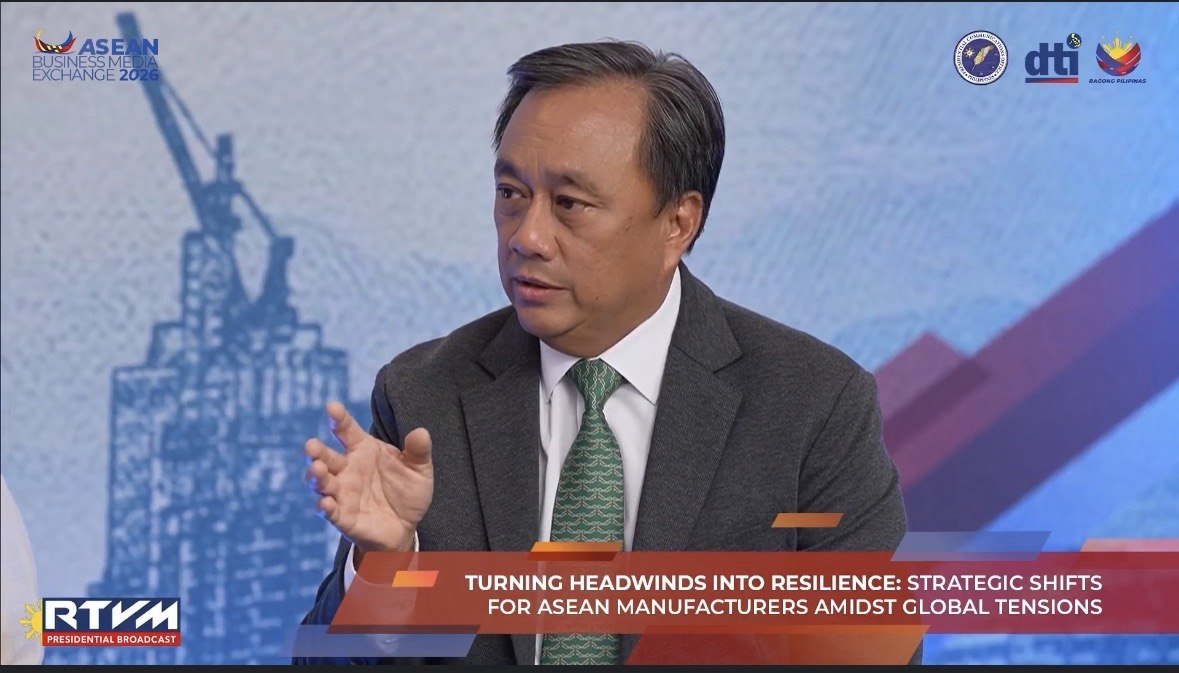
“We’ve been operating for 60 years and we’ve seen ups and downs,” said Roberto Batungbacal, SteelAsia’s head of industry development. “While we have to manage current challenges, our vision must remain long-term. Manufacturing is a strong economic engine—you can’t turn on a dime.”
Batungbacal said the strategy capitalizes on structural opportunities in the Philippine economy, including import substitution and continued demand for infrastructure. While government-led projects have slowed, private construction—especially in provincial areas, low-cost housing, and social infrastructure like schools—remains active.
SteelAsia operates four mills, including the country’s first section mill producing I-beams and H-beams. “From zero to one—that’s capturing demand that has never been locally supplied before,” Batungbacal noted.
The company is also ramping up green steel production. Its Calaca, Batangas facility runs entirely on geothermal energy, making it Southeast Asia’s only green steel plant.
“All new mills will be green steel, with more than 80 percent lower carbon emissions,” he said, highlighting scrap-based production and renewable energy integration as core sustainability measures.
Despite cyclical headwinds, domestic steel demand remains strong. The Philippines currently produces only about 30 percent of its steel needs, creating a major opportunity for local supply.
“Infrastructure isn’t going away. Projects like the subway and commuter railway are underway, and we must be ready to supply them,” Batungbacal said.