The Asian Development Bank pledged to mobilize USD30 billion by 2030 to help Southeast Asian economies strengthen resilience, accelerate regional integration and cushion the impact of mounting geopolitical and economic shocks.
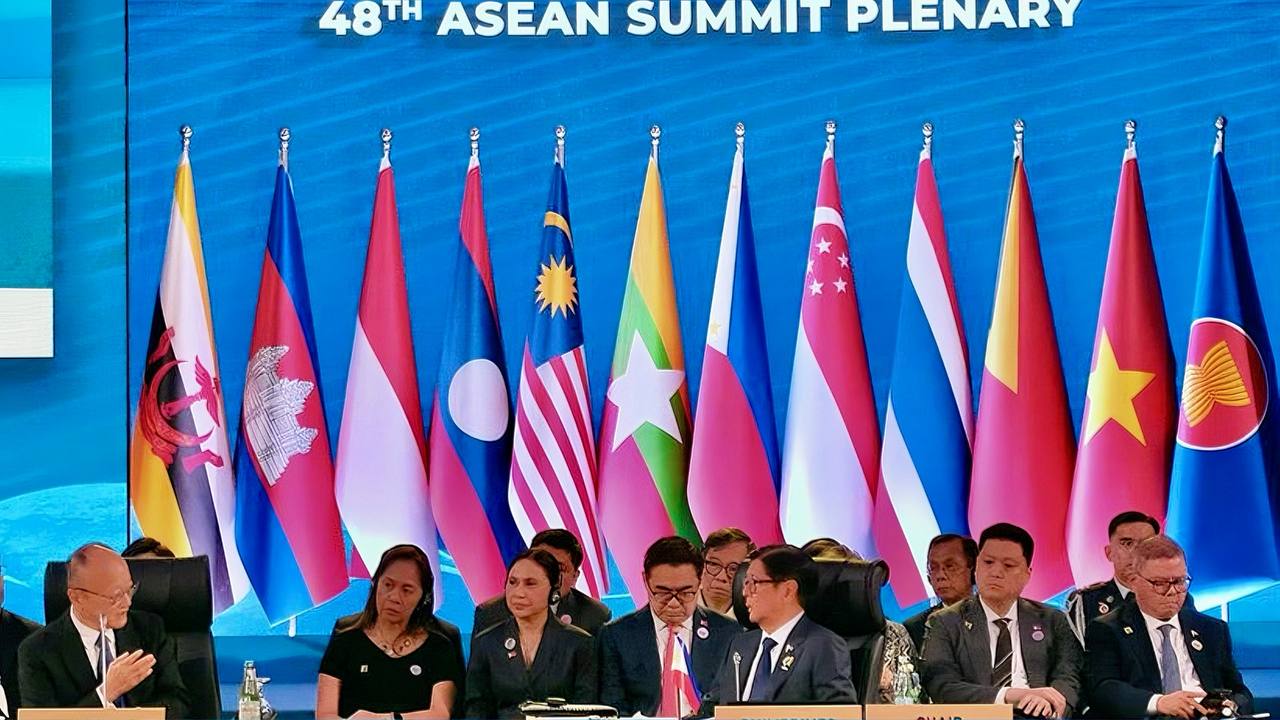
ADB President Masato Kanda announced the commitment during the 48th ASEAN Summit in Cebu, where regional leaders welcomed the bank’s expanded role in supporting the bloc’s long-term development agenda amid rising global uncertainty.
“ASEAN has clear priorities and strong ambitions, but the challenge now is delivery, especially as the region faces a period of compounding crises, from geopolitical uncertainty to economic shocks,” Kanda said. “As the region’s main bank, ADB is channeling financing, expertise, and a USD30 billion pipeline of public and private sector investments to directly support ASEAN’s priorities and deliver lasting benefits for people across the region.”
The funding package will support five major regional priorities, including USD6 billion for capital market development and USD5 billion for the ASEAN Power Grid, a long-delayed initiative aimed at improving cross-border electricity connectivity and energy security across Southeast Asia.
Additional investments will target artificial intelligence readiness, the blue economy and river resilience projects as ASEAN economies confront growing climate and supply-chain risks.
Analysts said the commitment reflects growing urgency among multilateral lenders to support ASEAN economies as trade disruptions, Middle East tensions and slowing global growth threaten investment flows and regional supply chains.
Speaking before ASEAN leaders chaired by Philippine President Ferdinand Marcos Jr., Kanda said ADB stands ready to help economies facing fiscal strain through fast-disbursing budget support and temporary private-sector financing for oil imports under its Trade and Supply Chain Finance Program.
ASEAN Secretary-General Kao Kim Hourn described the commitment as “a powerful signal of confidence” in the region’s growth prospects.
ADB also reaffirmed support for the BIMP-EAGA subregional bloc through investments in economic corridors, food security and marine ecosystem protection.
Economists said the scale of the pledge underscores ASEAN’s increasing importance as a strategic growth and manufacturing hub as companies diversify supply chains beyond traditional markets.