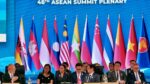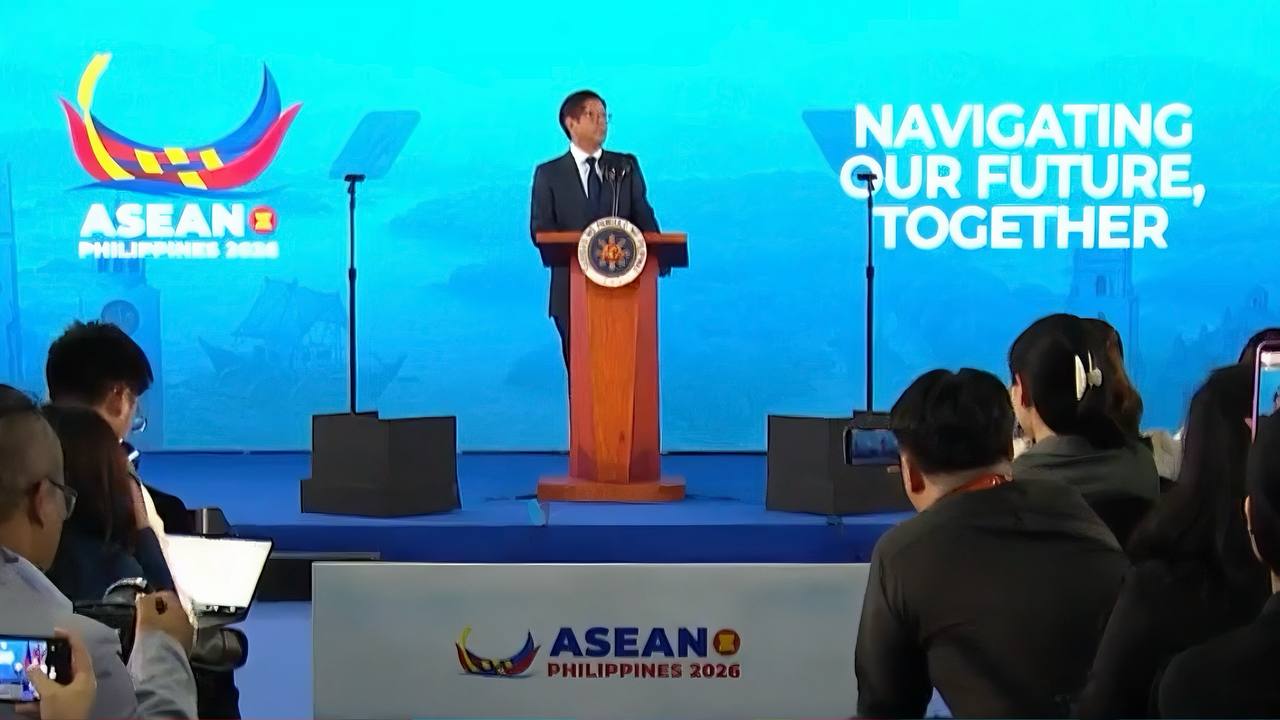
President Ferdinand Marcos Jr. highlighted at the close of the 48th Association of Southeast Asian Nations Summit on Friday in Cebu the bloc’s new focus on energy security, food resilience, and protection of nationals amid ongoing global crises.
Energy security emerged as the top priority, driven by supply risks and economic fallout from the Middle East conflict. Leaders endorsed stronger regional coordination, including a shared fuel reserve system and accelerated rollout of the ASEAN Power Grid to interconnect electricity networks across Southeast Asia.
“Leaders agreed on the importance of stable and reliable energy supply chains, greater energy interconnectivity, and accelerated diversification toward renewable and alternative sources aligned with our long-term climate commitments, designed to reduce dependence on volatile external markets,” Marcos said.
Marcos underscored that such cooperation helped the Philippines maintain stable diesel, gasoline, jet fuel, and kerosene supplies despite global disruptions.
The summit also emphasized a shift toward renewable and alternative energy, such as hydro, wind, solar, and nuclear, aiming to reduce dependence on volatile fossil fuel markets.
Food security was the second major focus, with ASEAN agreeing to keep essential goods flowing, strengthen intra-regional trade, and reinforce emergency food reserves. Rising fuel prices, which drive up transport and fertilizer costs, made this coordination urgent.
ASEAN leaders additionally prioritized protecting citizens abroad, particularly overseas workers vulnerable to crises. The bloc plans improved information-sharing, evacuation support, and assistance mechanisms for nationals in distress.
Marcos framed these agreements as a step toward long-term resilience, moving ASEAN from reactive crisis management to proactive regional cooperation. Maritime security was also addressed, with support for a proposed ASEAN Maritime Centre in the Philippines to safeguard freedom of navigation, combat illegal activities, and uphold international law in the South China Sea.
This summit signals ASEAN’s intent to balance immediate crisis response with strategic planning, positioning the bloc as a more integrated and resilient regional actor.