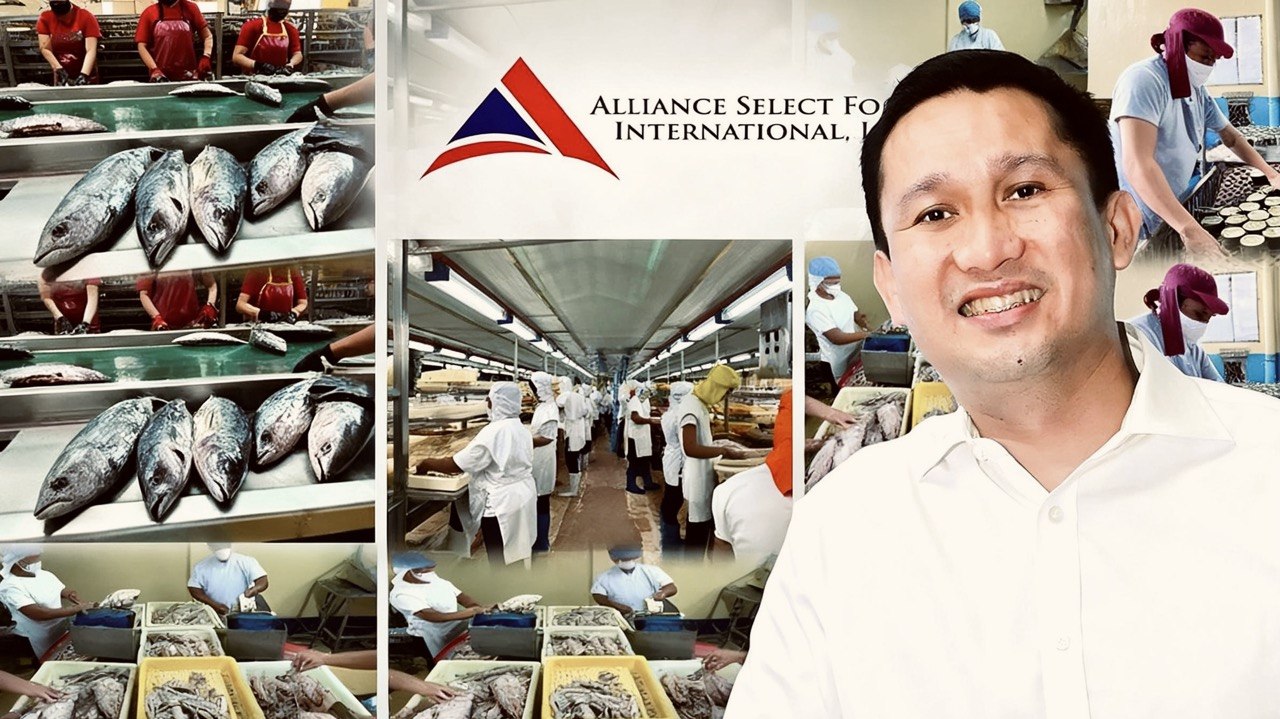
Alliance Select Foods International Inc. swung deeper into the red in the first quarter as an extended plant shutdown, softer demand in key segments, and elevated operating costs weighed heavily on the seafood processor’s performance, prompting management to roll out cost and efficiency measures to stabilize operations.
The listed seafood company reported consolidated net revenues of USD8.93 million for the January-to-March period, down 55 percent from a year earlier. The decline was mainly attributed to the extension of a January plant shutdown to complete facility improvements, weaker performance in its loins and co-packing businesses, and the deferment of certain shipments to the second quarter.
Alliance Select posted an after-tax loss of USD2.6 million during the quarter as higher plant operating expenses, elevated financing costs, and the sale of higher-cost inventory carried over from the previous quarter eroded margins.
The company said the losses were partly offset by lower general and administrative expenses as well as reduced freight and transportation costs.
“Our first quarter results reflect the impact of operational and cost-related challenges during the period,” said Jeoffrey P. Yulo, president and chief executive officer of Alliance Select. “We are implementing measures to improve efficiency and cost management, and will continue to monitor developments closely as we work toward stabilizing performance,” he added.
Management said it has initiated several measures aimed at improving plant utilization, tightening cost controls, and aligning production levels more closely with prevailing demand conditions.
The company expects gradual operational improvement in the succeeding quarters as these initiatives begin to take effect, although management cautioned that recovery remains dependent on broader market conditions and customer demand trends.
Alliance Select, one of the country’s homegrown seafood exporters, has been navigating a challenging operating environment marked by volatile input costs, shifting global demand patterns, and tighter margins across the food processing industry.