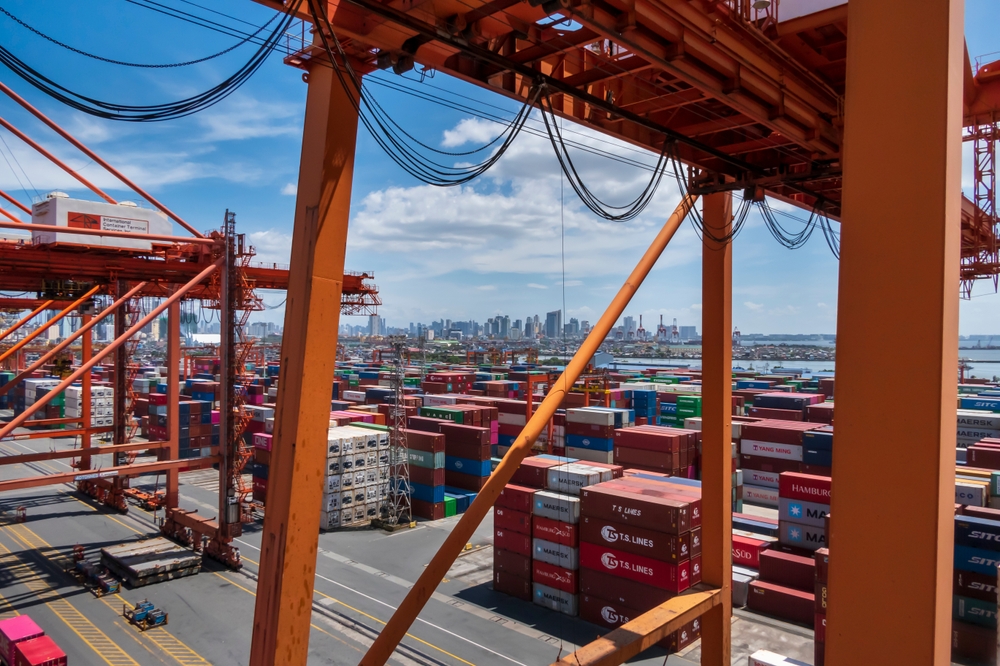
The Philippines’ agricultural trade deficit narrowed sharply in April to its lowest level in more than five years, as exports surged to a record high while imports eased, signaling improving competitiveness in parts of the country’s farm sector.
Data from the Philippine Statistics Authority showed the agricultural trade gap shrank to USD600.1 million in April from USD919.6 million a year earlier and USD1.25 billion in March. It was the smallest deficit since February 2021, when the shortfall stood at USD510.8 million.
The improvement came as agricultural exports jumped 33 percent year on year to a record USD1.03 billion, the highest monthly export value since PSA records began in 2000. Agricultural imports, meanwhile, slipped 3.7 percent to USD1.63 billion, their lowest level since June 2025.
The strong export performance helped lift total agricultural trade by 7.8 percent to USD2.66 billion.
A closer look at the numbers suggests that Philippine agriculture may be benefiting from stronger global demand for selected export products even as domestic food import requirements remain elevated. The challenge for policymakers is whether such gains can be sustained and broadened beyond a handful of commodities.
Animal and vegetable fats and oils emerged as the country’s top agricultural export, generating USD443.6 million and accounting for 43.1 percent of total farm exports. The top 10 export commodity groups contributed more than 98 percent of total agricultural export earnings.
Among regional markets, Malaysia was the largest buyer of Philippine agricultural goods in Southeast Asia, accounting for 58 percent of exports to the bloc. In Europe, the Netherlands remained the leading destination, absorbing 61.6 percent of Philippine agricultural exports to the European Union.
Despite the narrowing deficit, imports continued to outpace exports, underscoring the country’s dependence on overseas food supplies. Cereals remained the largest import category at USD321.7 million, while Vietnam retained its position as the Philippines’ top agricultural supplier within ASEAN.
Still, April’s figures offer a rare bright spot, showing that stronger exports can meaningfully chip away at the country’s long-standing agricultural trade imbalance.