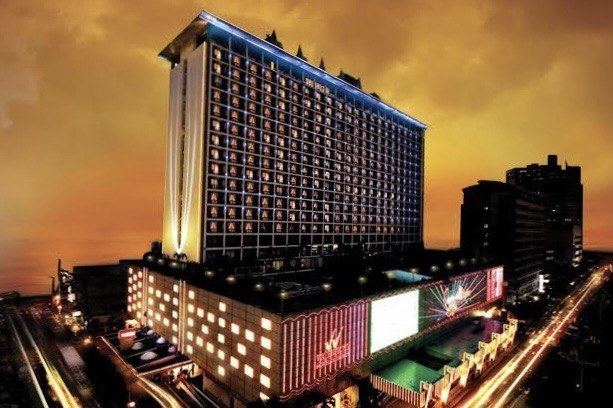
Acesite (Phils.) Hotel Corp. is taking a step back from plans to reopen the long-shuttered Waterfront Manila Pavilion Hotel, citing rising reconstruction costs and an uncertain outlook for tourism and gaming revenues.
The company said it is reassessing the business viability of reviving the landmark hotel, which was heavily damaged by a fire in 2018. Reconstruction began in 2019 using P1.5 billion in insurance proceeds, but work slowed during the pandemic as international travel ground to a halt.
What was once expected to be a straightforward rebuild has since become a far more expensive undertaking. Revised estimates now place the cost of reconstruction at P3.6 billion, more than double the amount covered by insurance. Higher prices for construction materials, labor and fuel, along with additional structural and design requirements, have significantly inflated the project’s budget.
The reassessment also reflects broader concerns about market demand. Management said local tourism has yet to generate sufficient foreign room sales to justify a reopening, while expectations for a meaningful recovery in visitor arrivals have been dampened by geopolitical tensions in the Middle East.
The company also flagged challenges in Manila’s gaming sector, which has seen growth plateau as online gaming gains popularity. The absence of the once-lucrative POGO-driven market and the slower-than-expected return of Chinese gaming tourists have further weakened the revenue outlook for integrated hotel and gaming properties.
Acesite had previously envisioned a phased reopening beginning in 2026. That timeline now appears unlikely, with management indicating construction may not resume until 2028, when room rates, occupancy levels and gaming revenues are expected to provide a clearer path to investment returns and debt repayment.
Despite the delay, the company is preserving the option to restart the project. It has appropriated P764 million in retained earnings for the reconstruction effort and plans to allocate annual maintenance funds to keep the hotel’s superstructure in safe and usable condition while awaiting better market conditions.